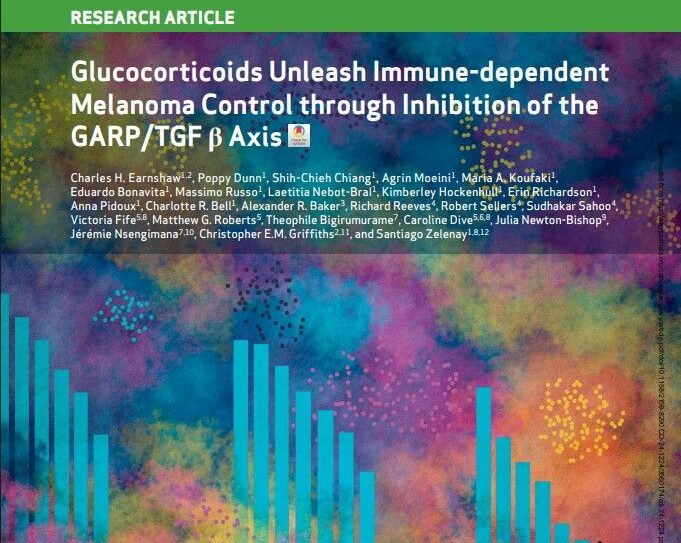
Glucocorticoids Unleash Immune-dependent Melanoma Control through Inhibition of the GARP/TGF β Axis
Published in Cancer Discovery, this work, supported by Cancer Research UK (CRUK), contained some surprising findings on the nature of steroids in immunotherapy.
The breakthrough came when we saw that the steroids were acting to actually stimulate an immune response against the cancer, despite the fact that steroids are inherently immunosuppressive or dampen the immune system.
Further investigation led us to find that the steroids were reducing the level of a protein called Garp on the tumour cells. And then this, in turn, allowed the reactivation of the immune response, basically to kill the cancer.
First author, Charles Earnshaw
Academic Clinical Lecturer
Institute Group Leader Santiago Zelenay, led the team who worked on this project for many years, including Poppy Dunn, Shih-Chieh Chiang, Agrin Moeini, Maria A. Koufaki, Eduardo Bonavita, Massimo Russo, Laetitia Nebot-Bral, Kimberley Hockenhull, Erin Richardson, Anna Pidox, and Charlotte Bell.
Read more here.
Our Core Facilities were directly involved, with Alex Baker, Richard Reeves, Rob Sellers and Sudhakar Sahoo among the authors, along with Victoria Fife, Matthew Roberts and Professor Caroline Dive. CBE from Cancer Research UK National Biomarker Centre.
Further reporting in The Independent.
This research is particularly exciting because it shows that steroids, one of the most commonly administered drugs to cancer patients and usually thought to weaken the immune system, may, in certain cases, actually help the patient’s own immune system fight back.
Santiago Zelenay
Group Leader | Cancer Inflammation and Immunity
This is a brilliant example of the kind of science we strive for — uncovering the deep biology of cancer and turning that knowledge into hope for patients. It opens up new possibilities for the 50% of people with melanoma who don’t respond to immunotherapy. This work stems from the collaborative, patient-focused science that defines the Cancer Research UK Manchester Institute, powered by close partnerships between clinicians, researchers and technical experts in our world-class core facilities, with generous support from patients and their families.
Cancer Research UK’s core funding, alongside support from other funders and access to key patient samples from the Manchester Cancer Research Centre Biobank, creates the environment where ambitious ideas like this can thrive. With our partners in the Cancer Research UK National Biomarker Centre and The Christie NHS Foundation Trust, we are ready to turn innovative advances like these into better outcomes for patients.
Samra Turajlić
Director | CRUK Manchester Institute
Our vision for world leading cancer research in the heart of Manchester
We are a leading cancer research institute within The University of Manchester, spanning the whole spectrum of cancer research – from investigating the molecular and cellular basis of cancer, to translational research and the development of therapeutics.


Our collaborations
Bringing together internationally renowned scientists and clinicians


Scientific Advisory Board
Supported by an international Scientific Advisory Board
Institute life in Manchester
We strive to make our community a welcoming, caring and enthusiastic one, fuelling ambition with opportunities for training and mentoring to help us all achieve our personal and professional goals.
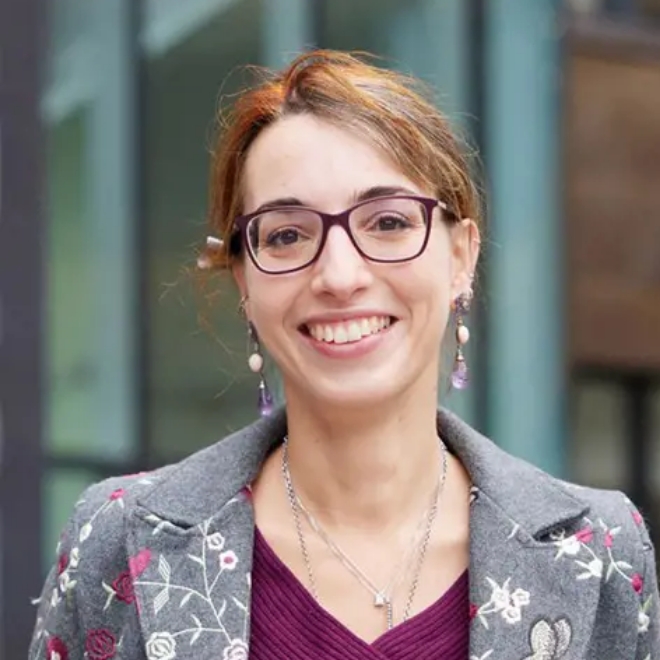
“We are so pleased to have received the funding to enable us to test our hypothesis in the lab. If we can create a new medicine that can precisely target a specific type of cell within the tumour, and restore anti-cancer immune responses, this will be a game-changer for oesophageal cancer patients “
Sara Valpione
Former Institute Clinical Fellow and now Clinician in Residence within the CRUK National Biomarker Centre
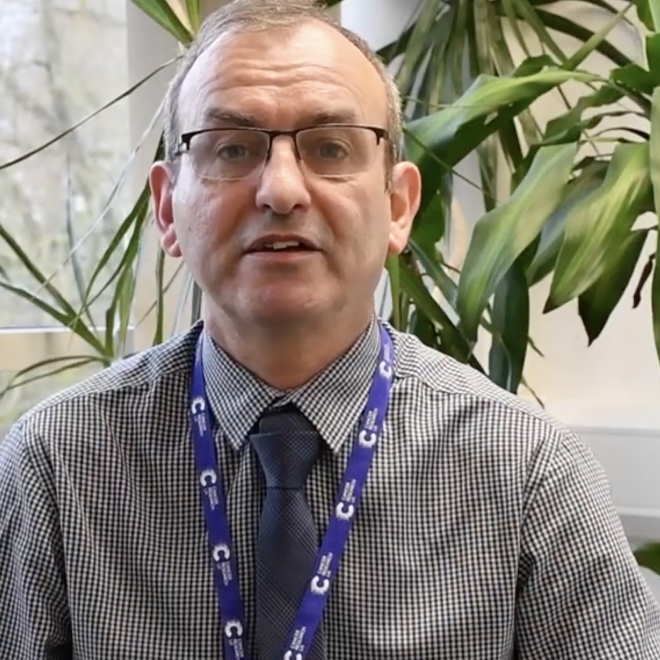
“My charity bake sales – known as “David’s Great British Bake Off” – are always a hit, home baked products taste so much better than shop bought and are greatly appreciated by staff!”
David Jenkins
Purchasing Officer
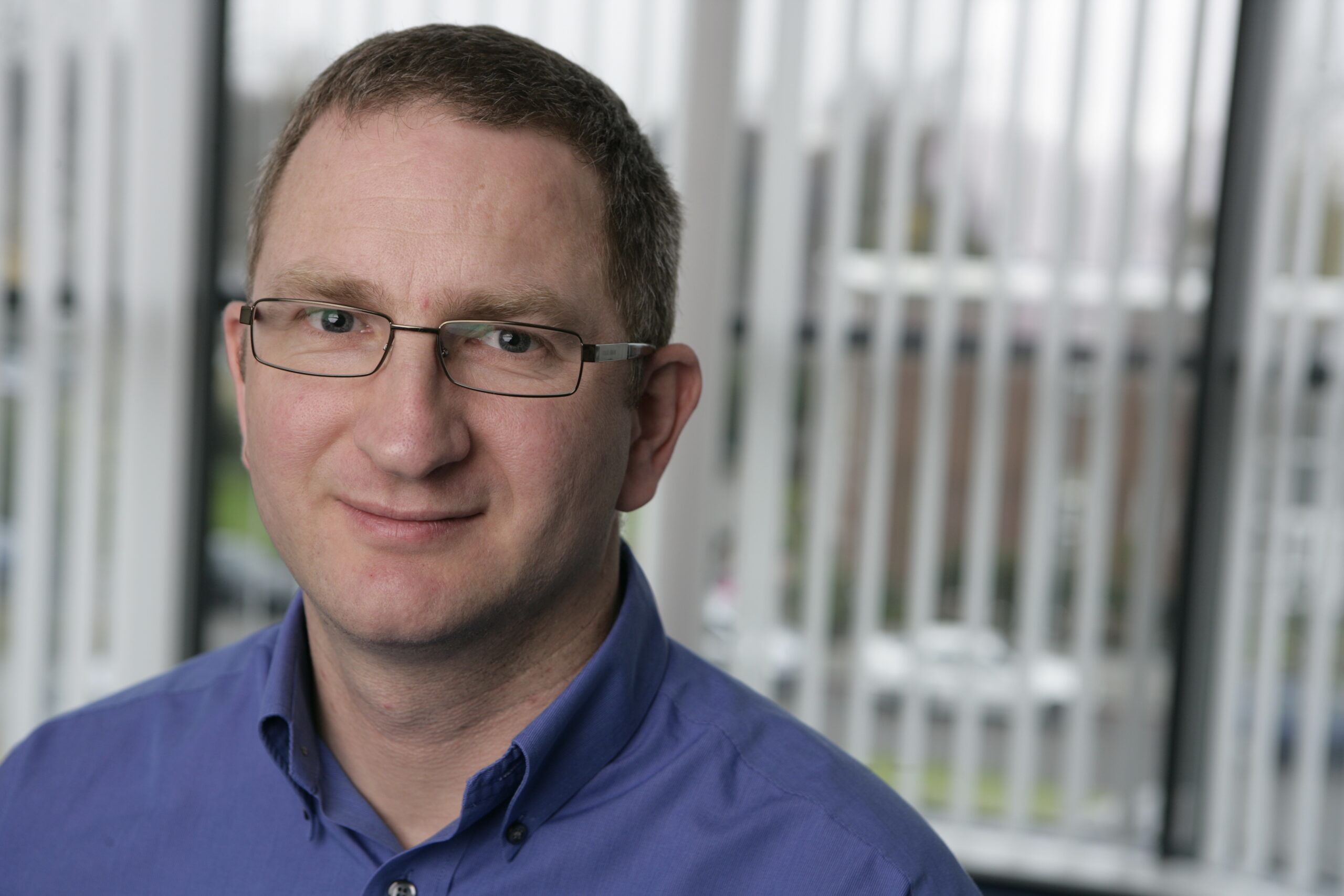
“We’ve seen some remarkable responses, with an improvement for some patients within days. This is an early phase trial so there’s a lot more work to do. But the data we have so far is very encouraging and could help many thousands of people in the future”
Tim Somervaille
Senior Group Leader
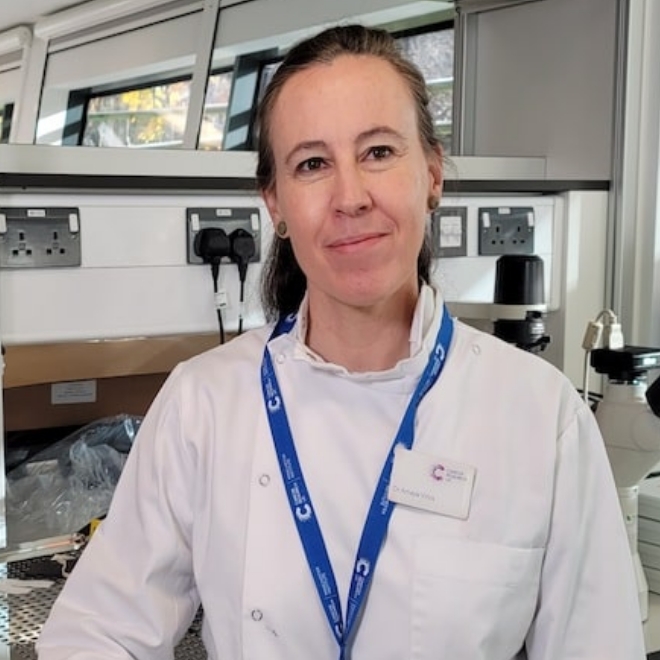
“It is a pleasure to introduce my team who work to deliver our research goals. We work in a friendly and collaborative environment, supporting each other’s projects. “
Amaya Virós
CRUK Advanced Clinician Scientist Fellow
“We are so pleased to have received the funding to enable us to test our hypothesis in the lab. If we can create a new medicine that can precisely target a specific type of cell within the tumour, and restore anti-cancer immune responses, this will be a game-changer for oesophageal cancer patients “
Sara Valpione
Former Institute Clinical Fellow and now Clinician in Residence within the CRUK National Biomarker Centre
“My charity bake sales – known as “David’s Great British Bake Off” – are always a hit, home baked products taste so much better than shop bought and are greatly appreciated by staff!”
David Jenkins
Purchasing Officer
“We’ve seen some remarkable responses, with an improvement for some patients within days. This is an early phase trial so there’s a lot more work to do. But the data we have so far is very encouraging and could help many thousands of people in the future”
Tim Somervaille
Senior Group Leader
“It is a pleasure to introduce my team who work to deliver our research goals. We work in a friendly and collaborative environment, supporting each other’s projects. “
Amaya Virós
CRUK Advanced Clinician Scientist Fellow