
The Laboratory Services Department has space in both the Paterson Building and the Oglesby Cancer Research Building (OCRB) to provide 6 main functions to cover all researchers in both buildings:
Role 1
Provides liquid media and plates for the labs. There is a dedicated clean room for the production of plates and currently over 1000 litres of liquid media is manufactured each month
Role 2
Provides autoclaved water and PBS, together with autoclaved Eppendorfs and pipette tips
Role 3
Cleans and sterilises all glass and plasticware using two dedicated glass washing machines and two autoclaves
Role 4
Laboratory aides remove dirty, and deliver fresh, glass and plasticware on a daily basis. They also perform routine lab duties within the labs, such as making buffers or monitoring equipment.
Where possible we try to recycle plastic waste.
Additional Services
We manage the supply and maintenance of some portable safety related items, such as the lab and office based First Aid, handheld anemometers, and portable gas monitoring devices. By having access to autoclaves, we can sterilise bespoke items required by labs and in coordination with our Media Coordinator can, by prior agreement, adapt our current microbiological media and make any new alternatives requested by labs.

Meet the Lab Services team

Team Leader
Lab Aide
Supervisory Lab Aide
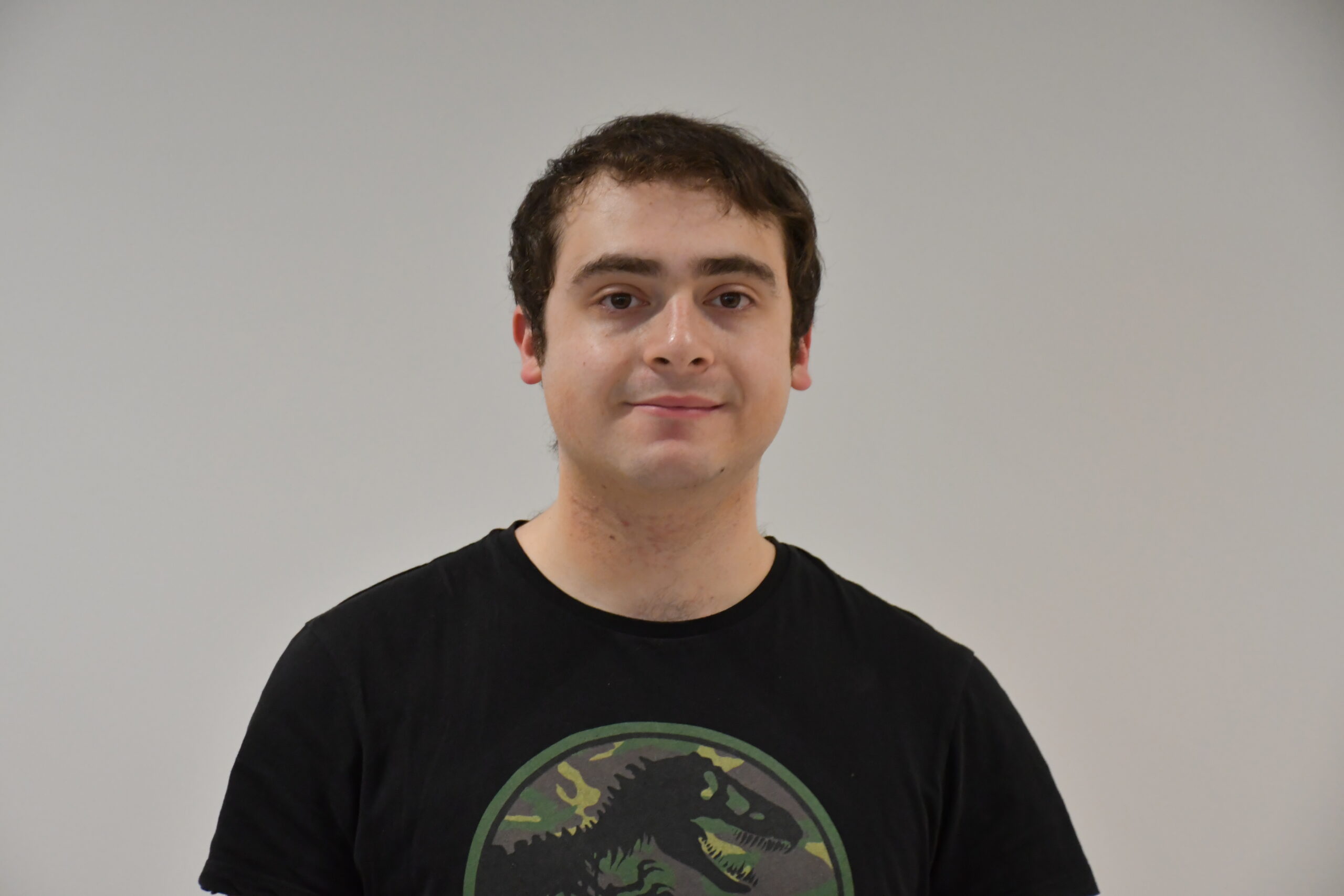
Glasswash Operative
Get in touch
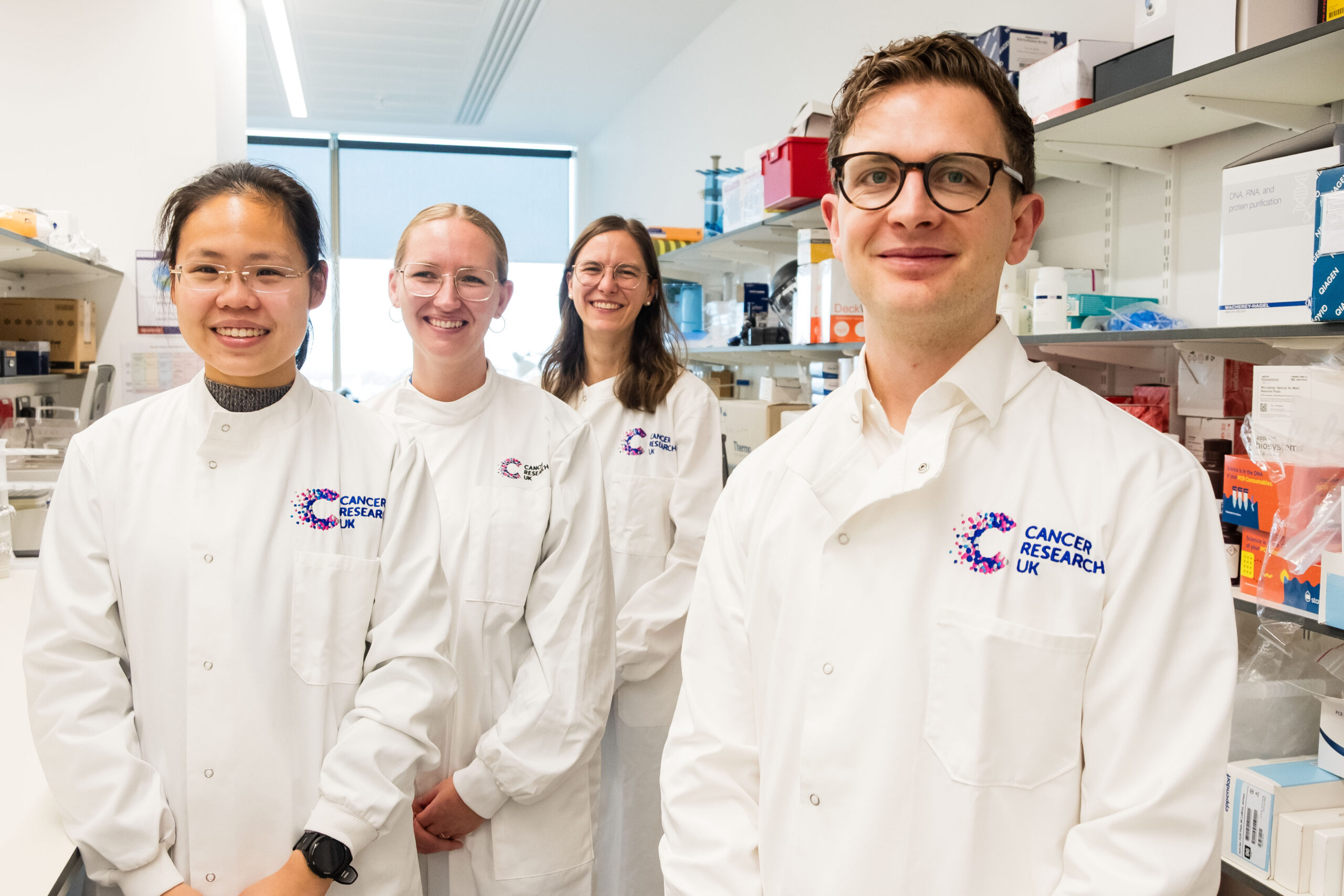
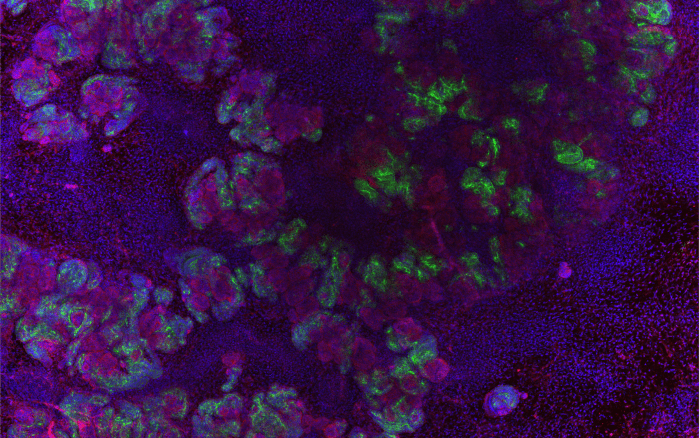

Our vision for world leading cancer research in the heart of Manchester
We are a leading cancer research institute within The University of Manchester, spanning the whole spectrum of cancer research – from investigating the molecular and cellular basis of cancer, to translational research and the development of therapeutics.


Our collaborations
Bringing together internationally renowned scientists and clinicians


Scientific Advisory Board
Supported by an international Scientific Advisory Board
Careers that have a lasting impact on cancer research and patient care
We are always on the lookout for talented and motivated people to join us. Whether your background is in biological or chemical sciences, mathematics or finance, computer science or logistics, use the links below to see roles across the Institute in our core facilities, operations teams, research groups, and studentships within our exceptional graduate programme.


A note from the Team Leader – Mark Craven