Turning cancer’s protein machinery against itself to boost immunity
New research from the laboratory of Pierre Close at the University of Liège and Sylvain Delaunay, RNA Dynamics in Cancer Group Leader, along with international collaborators – has uncovered an unexpected way to stimulate the immune system against cancer: by subtly disrupting how tumour cells manufacture their proteins.
The study, recently accepted for publication in Nature Communications, reveals that cancer cells rely on a highly precise protein-production system to evade immune attack. When this system is perturbed, tumours can suddenly become vulnerable to immune recognition and elimination by the body’s own defenses.
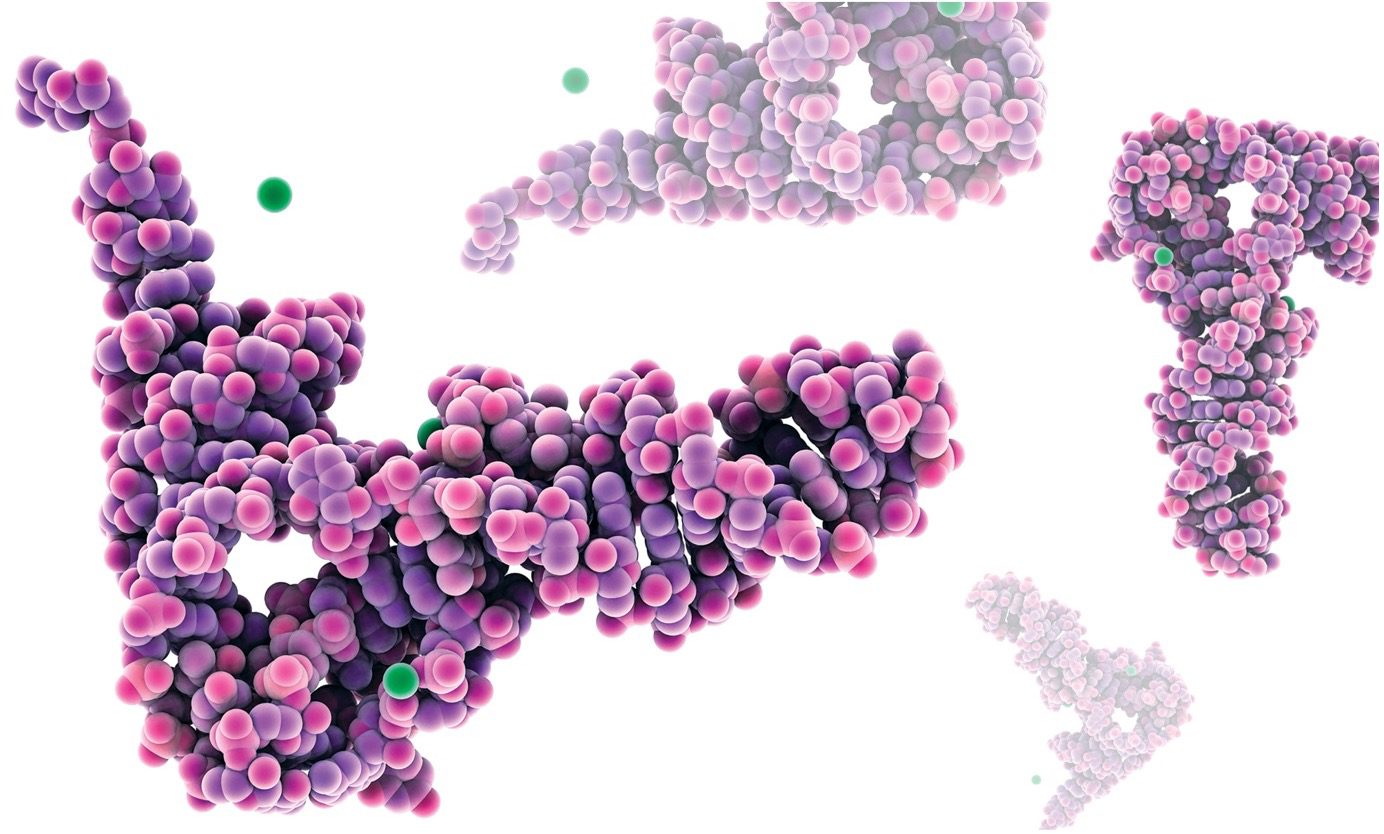
All cells constantly produce proteins based on genetic instructions. To do this accurately, they rely on molecular “adaptors” called transfer RNAs (tRNAs), which ensure proteins are built correctly. Cancer cells exploit this system to maintain stability and avoid triggering immune responses.
Rather than being harmless, this buildup acts as a distress signal: it activates an innate immune sensor normally used to detect viral infections. This, in turn, attracts and activates immune T cells, which infiltrate the tumour and drive its rejection.
In preclinical models, blocking this pathway transformed “cold” tumours, typically unresponsive to immune attack, into “hot” tumours that became infiltrated by immune cells and showed markedly reduced growth.
“Immunotherapies have revolutionized cancer treatment, though many patients still do not respond. In our new study, we provided new insights in targeting mRNA translation to increase immune reaction against melanoma, which we hope will be an interesting mechanism to further develop in patients.”
Sylvain Delaunay
Group Leader, RNA Dynamics in Cancer
Many tumours remain resistant to immunotherapy because they evade effective immune attack. This study highlights a new approach that renders tumours more susceptible to antitumour immunity by altering how they produce proteins.
“Our work shows that the stability of protein production can become a true Achilles’ heel for tumors,” says Cléa Dziagwa, Télévie PhD candidate and first author of the publication. “Understanding how tRNAs influence immune evasion opens the possibility of intervening where conventional immunotherapies fail.”
The research team discovered that a specific tRNA modification, controlled by an enzyme called KEOPS, plays a crucial role in helping melanoma tumours evade immune detection. When this modification is disrupted, cancer cells begin producing misfolded proteins that accumulate inside the cell.
By linking RNA biology, protein quality control and anti-tumour immunity, the work opens new avenues for therapeutic development. Targeting tRNA modifications could represent a strategy to enhance current immunotherapies or to treat cancers that currently do not respond.
“By disrupting this quality control mechanism, we force the tumour to reveal what it normally works hard to hide. This buildup of faulty proteins acts as a warning signal: it triggers an immune response similar to the one activated during viral infections. It’s an entirely new way of activating antitumour immunity.”
Pierre Close
Director of the Laboratory of Cancer Signaling, University of Liège
This work highlights the potential for translating discoveries on RNA and protein synthesis into new therapeutic strategies for difficult-to-treat cancers. By understanding how tumours control their internal protein machinery to escape immune detection, researchers hope to design interventions that re-engage the immune system and improve patient outcomes, making cancer more vulnerable by revealing it to the immune system.

Our vision for world leading cancer research in the heart of Manchester
We are a leading cancer research institute within The University of Manchester, spanning the whole spectrum of cancer research – from investigating the molecular and cellular basis of cancer, to translational research and the development of therapeutics.


Our collaborations
Bringing together internationally renowned scientists and clinicians


Scientific Advisory Board
Supported by an international Scientific Advisory Board