PhD opportunity in Systems Oncology
We welcome applications to our PhD Programme – apply before the deadline on 6th November 2026 1700 GMT
PhD opportunity in Systems Oncology
We welcome applications to our PhD Programme – apply before the deadline on 6th November 2026 1700 GMT
Defining regulators of early-stage PDAC tumour development
We are pleased to announce this exciting postgraduate opportunity within the Systems Oncology research group for intake in October 2027!
We welcome applications from enthusiastic and ambitious candidates with a strong academic track record to our PhD programme. Applicants should hold or expect to graduate with a First or minimum upper-second class undergraduate honours degree (or equivalent from a non-UK university) in a relevant subject and Masters-level and/or other laboratory research experience in cancer.
Laboratory research experience as part of, or outside of, a university degree course or a Master-level degree in a relevant subject is advantageous but is not a conditional requirement in making an application.
Applications close on 6th November 2026 at 17:00 GMT.
PhD Studentship
PhD Studentship
Key details
Project title: Defining regulators of early-stage PDAC tumour development
Supervisor: Claus Jørgensen
Research Group: Systems Oncology
Deadline: 6th November 2026 at 1700 GMT

Key objectives
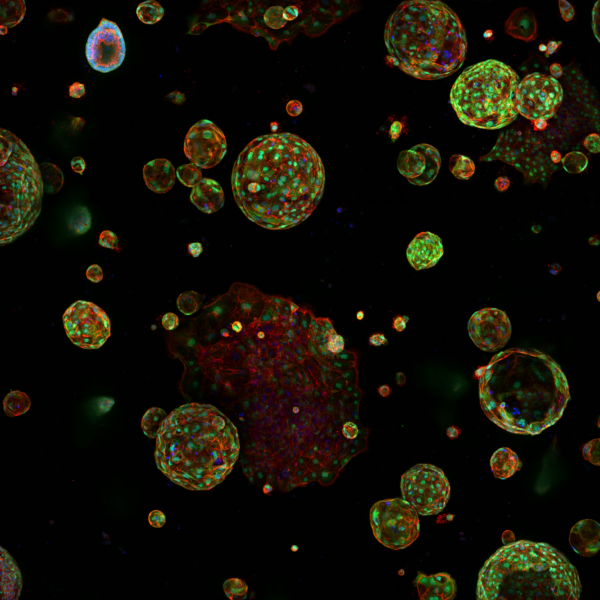
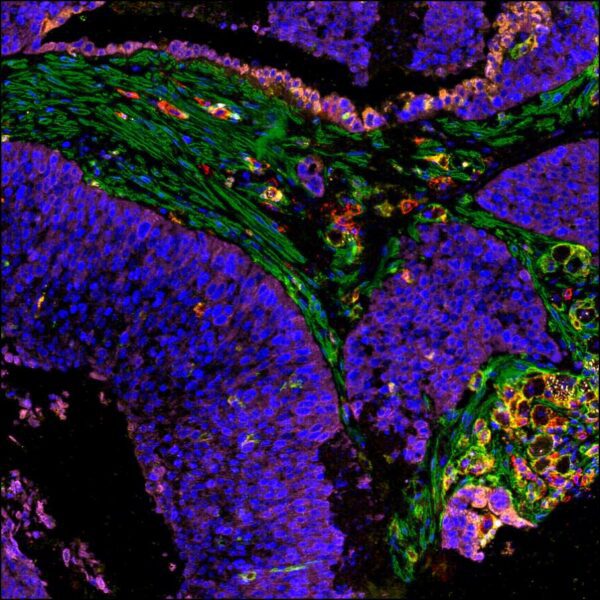
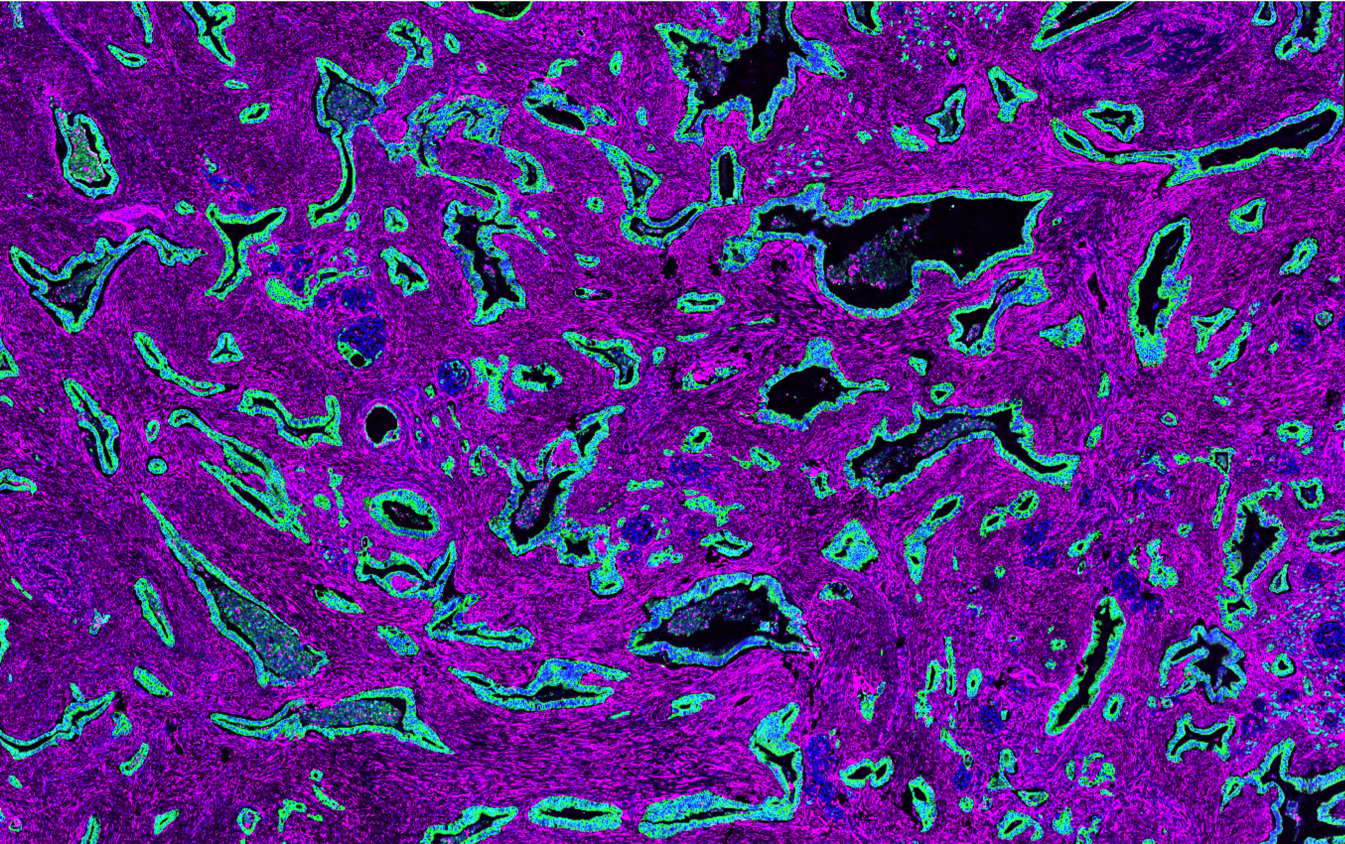
In this project you will aim to identify and mechanistically interrogate signals from the tumour microenvironment that regulate early stages of malignant tumour cell progression. You will use human patient samples and our recently developed fully synthetic organoid model in combination with CRISPR engineering, Mass Spectrometry based protein analysis and in vivo modelling to unpick the tumour cell response to the host cell signals that drive early tumour progression. (See Tape et al Cell 2016, Lee et al Nat Comm 2021, Below et al Nat Materials 2022, Hutton et al Cancer Cell 2022.) You will benefit from established models, expertise, clinical and computational collaborations as well as access to state-of-the-art infrastructure.
Ready to apply?
To apply for this studentship please complete the online application through our secure PhD Student Recruitment portal, which you can access by clicking the “Apply Now” button. All applications will be considered equally irrespective of ethnicity, disability, sexual orientation, gender, religion/belief, age and nationality. To help the CRUK Manchester Institute monitor equality, diversity and inclusion, you will be asked to complete and submit an EDI monitoring form during the application process. Equal opportunities information will not be shared and will not form any part of the selection process or divulged to members of the selecting, recruiting or interview panels.
Please ensure you submit your application before 1700 GMT hrs on the closing date of 6th November 2026.
Any questions? Use this form to contact our student team
Why choose Cancer Research UK Manchester Institute?
The Cancer Research UK Manchester Institute, an Institute of The University of Manchester, is a world-leading centre for excellence in cancer research. The Institute is core funded by Cancer Research UK (www.cancerresearchuk.org),
the largest independent cancer research organisation in the world.
We are partnered with The Christie NHS Foundation Trust, one of the largest cancer treatment centres in Europe, which is located adjacent to the CRUK MI Manchester Institute in South Manchester. These factors combine to provide an exceptional environment in which to pursue basic, translational and clinical research programmes.

Our vision for world leading cancer research in the heart of Manchester
We are a leading cancer research institute within The University of Manchester, spanning the whole spectrum of cancer research – from investigating the molecular and cellular basis of cancer, to translational research and the development of therapeutics.


Our collaborations
Bringing together internationally renowned scientists and clinicians


Scientific Advisory Board
Supported by an international Scientific Advisory Board