Overview
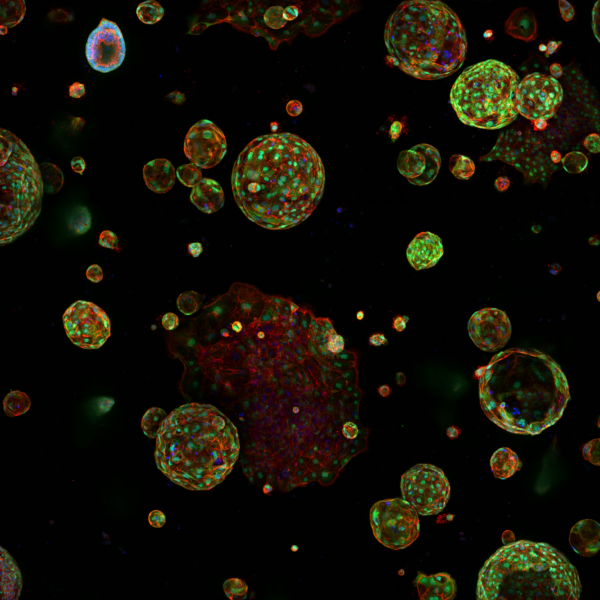
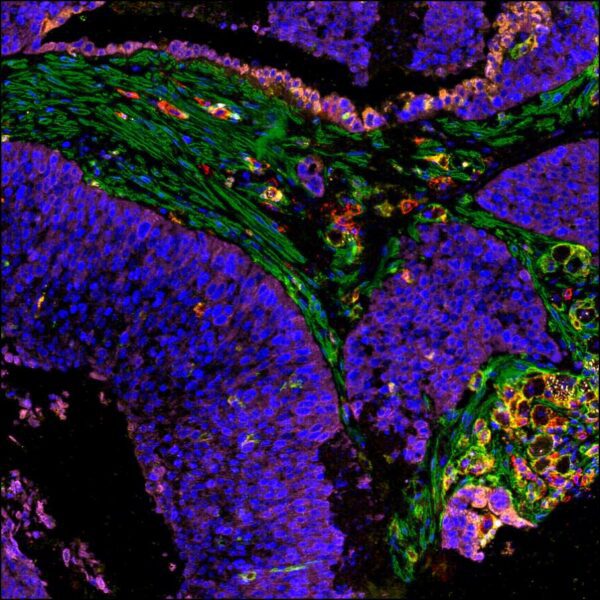
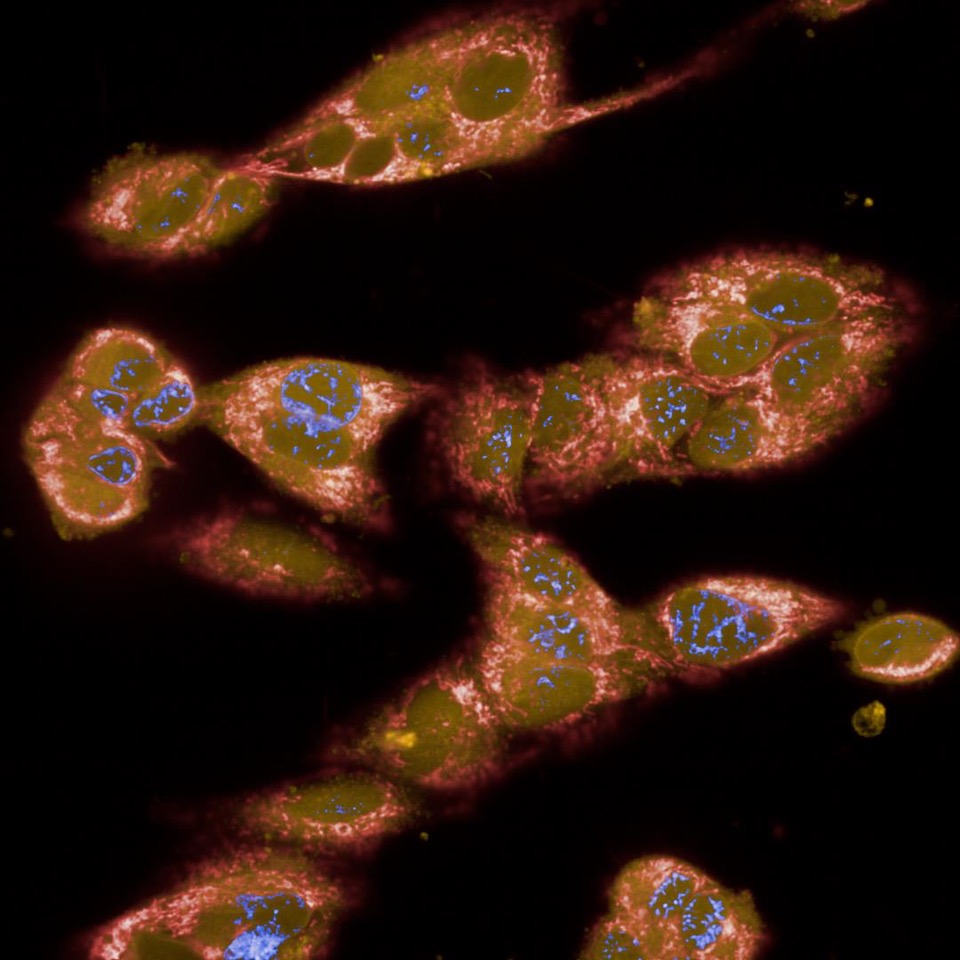
Our Chromatin Regulation Group is combining cutting-edge light and electron microscopy, genome editing, and genomics in embryonic and cancer models to address fundamental questions in chromatin biology.
Our research focuses on exploring the links between chromatin regulation and cancer cell development and cell identity, drawing on parallels with chromatin changes in normal development, and exploring links to mechanical forces and metastasis. We investigate mechanisms that shape chromatin structure during cell differentiation and determine how aberrant chromatin remodelling in cancer reconfigures genome structure and function.
We aim to establish a quantitative framework for linking chromatin ultrastructure to malignant potential and complement multi-omic studies that link cancer stages to transcriptional and epigenetic profiles. We’ll apply new knowledge to the creation of models that robustly predict cancer prognosis in contexts that lack molecular biomarkers.
Our ultimate goal is to understand how molecular and biomechanical elements work together to regulate chromatin structure and drive lineage specification, and use these metrics to improve the identification of cancer stages and guidance of treatment.

Contact Dr Alice Sherrard and the Chromatin Regulation Group
Careers that have a lasting impact on cancer research and patient care
We are always on the lookout for talented and motivated people to join us. Whether your background is in biological or chemical sciences, mathematics or finance, computer science or logistics, use the links below to see roles across the Institute in our core facilities, operations teams, research groups, and studentships within our exceptional graduate programme.


A note from the Group Leader – Alice Sherrard
I’m excited to integrate our research programme with the broad-spanning research programmes at the Cancer Research UK Manchester Institute, applying expertise in chromatin regulation, light/electron microscopy, mechanobiology and mouse embryology in the pursuit of solutions to cancer. The rich expertise in the Manchester cancer research ecosystem will help us make a major impact in the field of cancer research.