Major new funding for our Cancer Research
Major new funding for our Cancer Research
Investing in Manchester’s Discovery Engine Room
It’s a big year for cancer research in Manchester, as Cancer Research UK is increasing the annual core funding of our Institute to more than £17m a year as of 2026! That’s a 50% increase in support of patient-benefitting research here in the North West.
From the formation of up to eight new research groups here in Manchester, to investment in the latest cutting edge research and computational technologies, the coming years will see incredible expansion in our ability to understand, treat and prevent cancer.
This funding comes from public support, and we are incredibly grateful to each and every Cancer Research UK donor and fundraiser that supports our shared work.
Within this page you can find what this increase in funding means for you, whether you’re our next Research Group Leader, Technologist, or Partner on our research journey.
Growing talent in Manchester
Alongside our expanding set of research groups, we’re welcoming new Institute Affiliates to our Cancer Research UK Manchester Institute Community.
Institute Affiliates split their time between projects at our Institute and those of a close collaborator such as The University of Manchester or The Christie NHS Foundation Trust.
The two newest Institute Affiliates to join us bring new insights, expertise and experience in two of the areas we’ll be expanding in – Immunology and Computational Biology. They are:
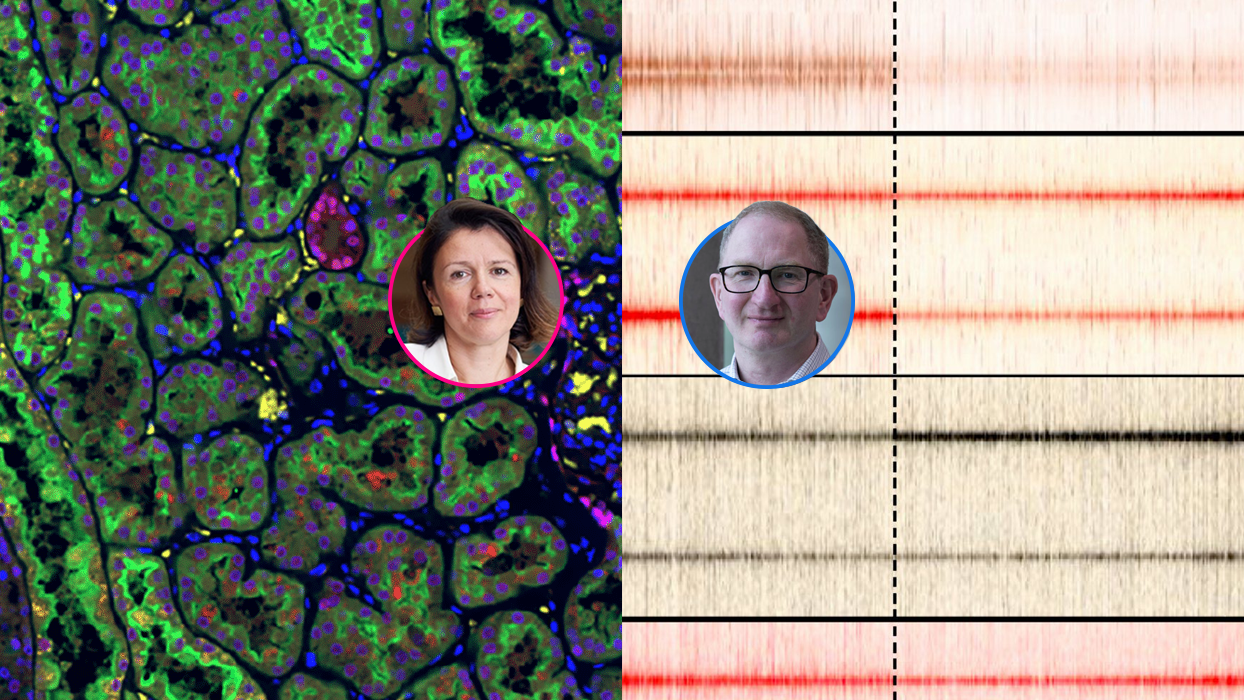
Professor Magnus Rattray is Professor of Computational and Systems Biology at the University of Manchester, where his group develops novel computational, statistical and machine learning approaches for the analysis of spatial and single-cell omics, live cell and fixed imaging, and population health data.
He has collaborated closely with colleagues at the CRUK Manchester Institute over the last decade and hopes to deepen these links over the next few years, using data-driven approaches to uncover the mechanisms underlying cancer initiation, progression and treatment.
Dr Jon Lim is a consultant medical oncologist within the advanced immunotherapy and cell therapy (AICT) team at the Christie NHS Foundation Trust. His clinical practice is in caring for adult patients with solid cancer receiving novel immunotherapies and advanced cell therapies within an active clinical trials research portfolio in AICT.
Working with our Institute teams, Jon will bring invaluable expertise to translational research programmes that seek to generate real impact for patients from the latest insights on immunotherapy performance.

Investing in our Core Facilities
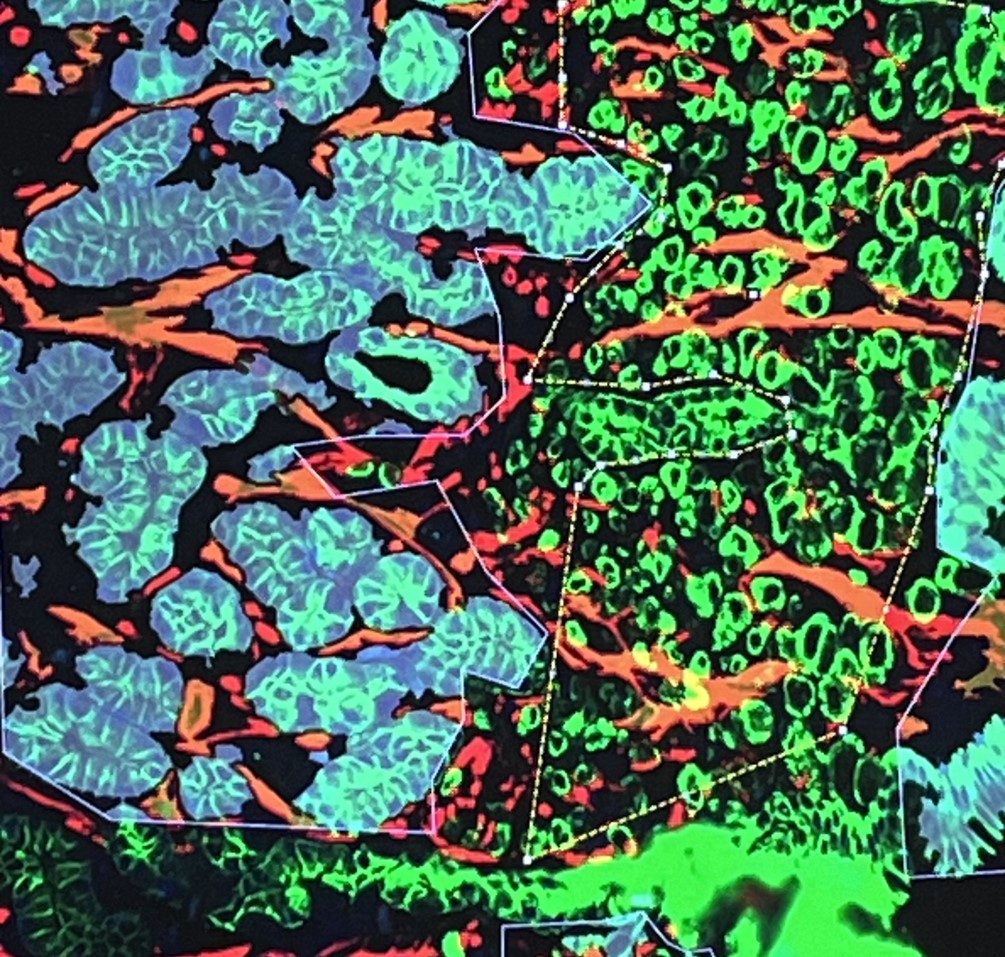
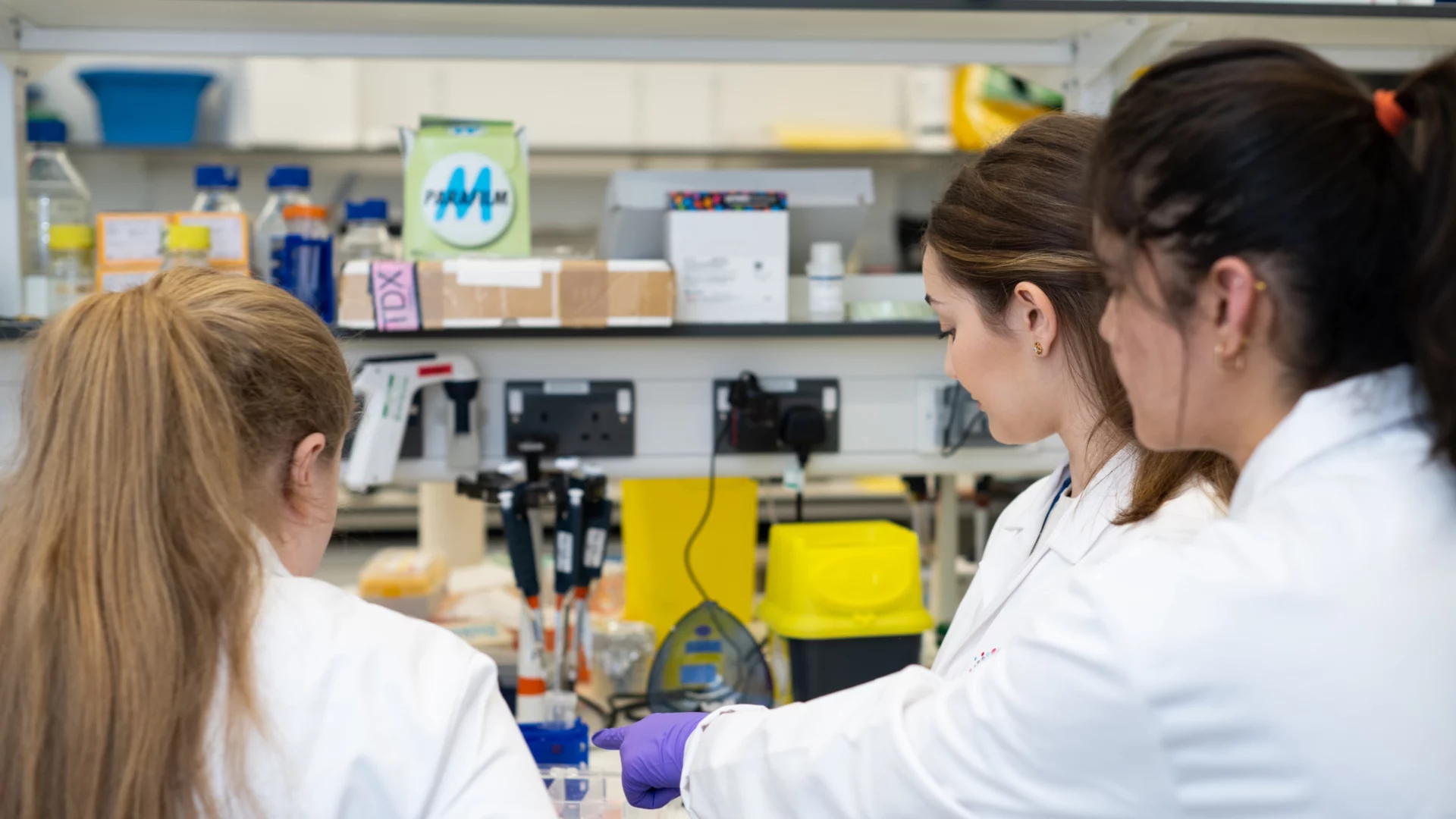
The extensive investment in bringing new research talent into our Manchester cancer research ecosystem will be matched with investment in our already world-leading core facilities.
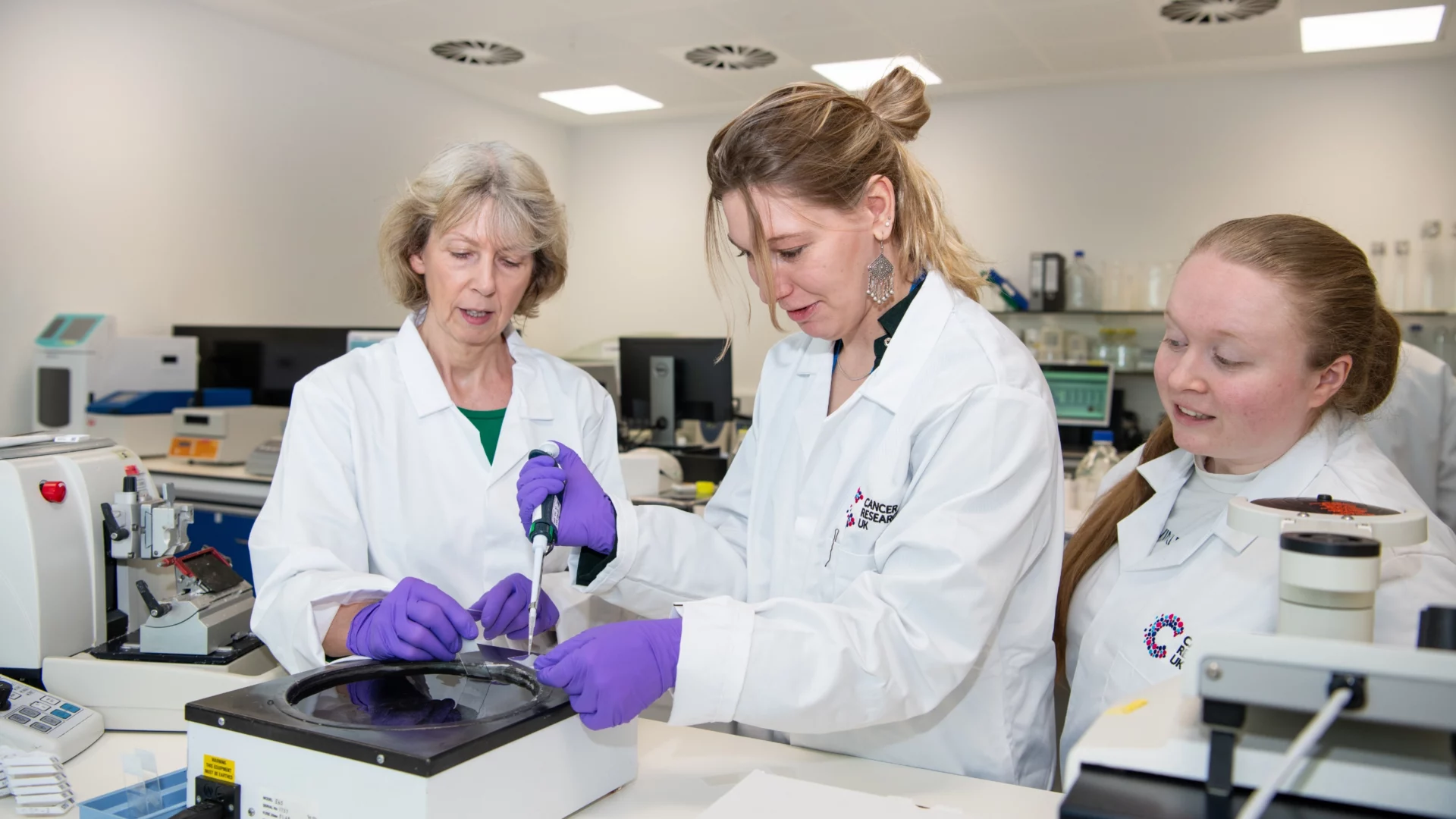
Based on-site in the Paterson Building, our facilities support every stage of the research process, from the preparation of tissue samples in Histology, to the creation of rich datasets in Molecular Biology and Cytometry, to data analysis and processing support in IT and Scientific Computing.
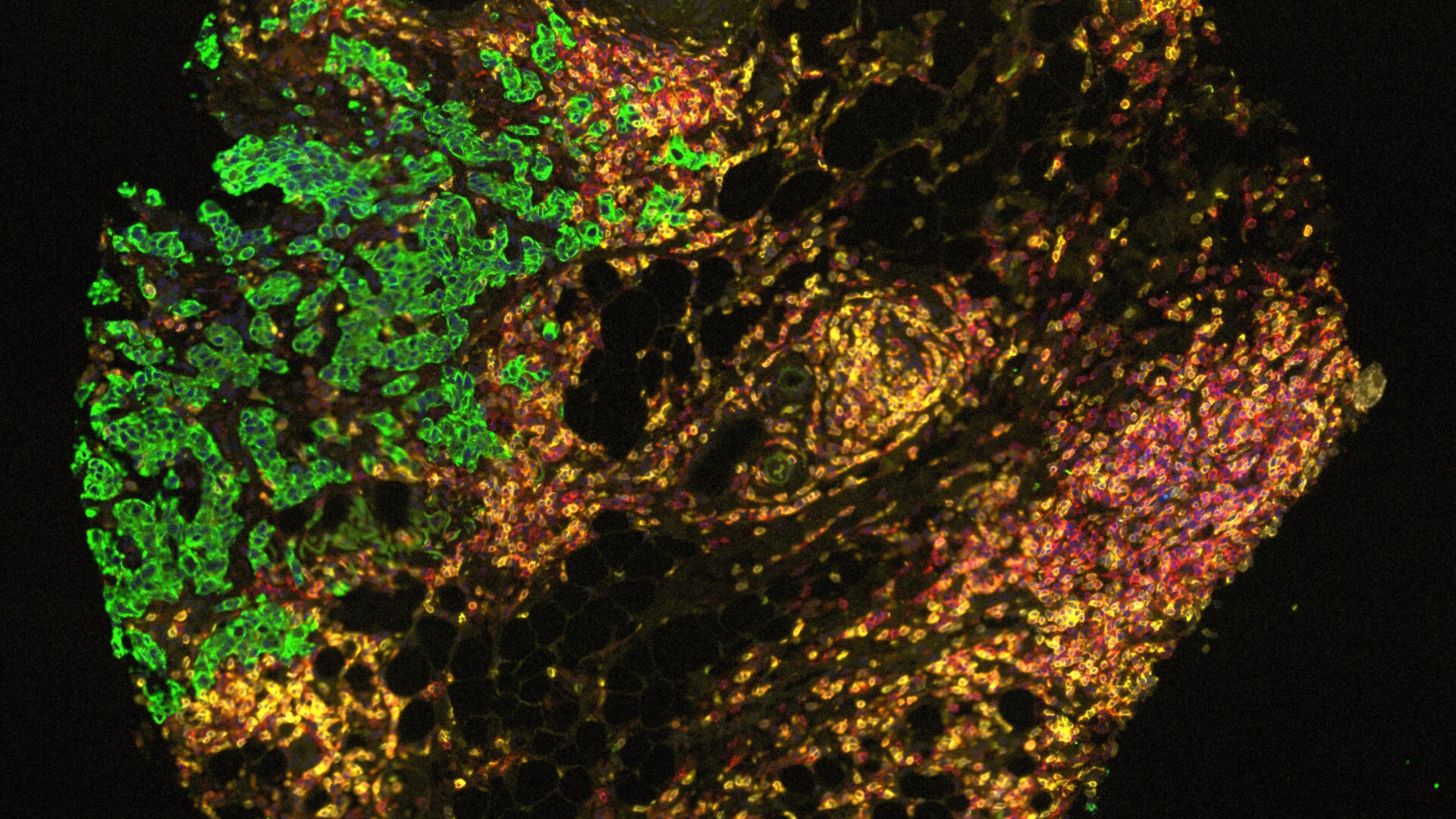
This increase in funding will support investment in cutting edge platforms in areas such as spatial technologies and high performance computing that mean our research teams can study cancer in greater detail than ever before.
The power of partnerships
Everything that we do at the Cancer Research UK Manchester Institute is enabled by the strength of Manchester’s cancer research partnerships.
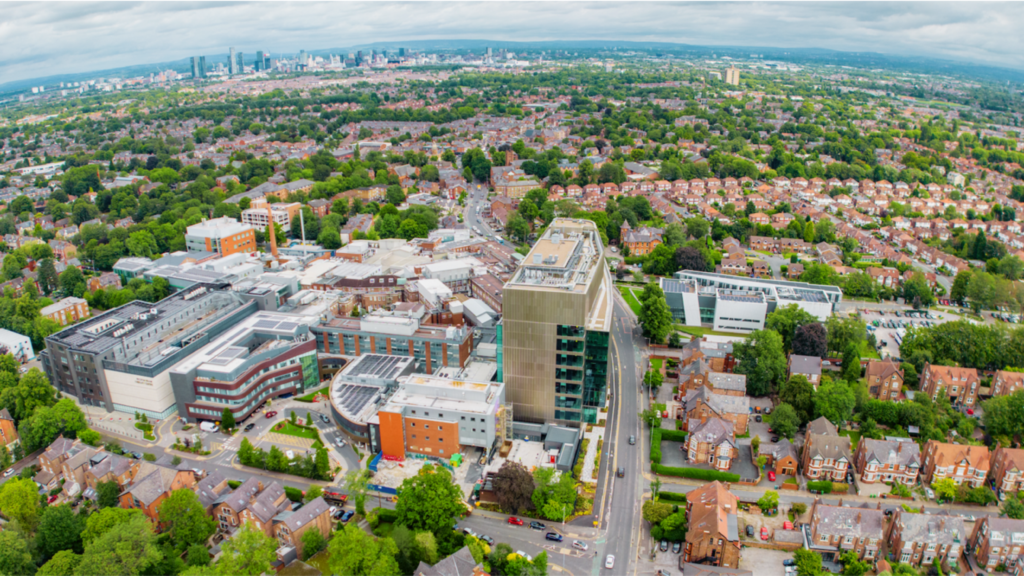
As part of the Manchester Cancer Research Centre, our Withington Campus sees us alongside the Christie NHS Foundation Trust, the University of Manchester’s Division of Cancer Sciences, and the Cancer Research UK National Biomarker Centre.
In this environment we’re able to collaborate not just with the best research minds and world-leading technologies, but most importantly also with the more than 60,000 patients that are treated at the Christie hospital each year.
This increase in funding will allow us to strengthen these partnerships and collaborations in Manchester, and extend our collective reach into the global cancer research community, as we search together for the next discoveries that will save lives.
The latest from our Cancer Research UK Manchester Institute
Below you can find our latest research publications and news items.
https://www.sciencedirect.com/science/article/pii/S2666634026003387?via%3Dihub
Bacteria inside kidney tumors associate with myeloid inflammation and disease progression: A TRACERx Renal study
23 October 2026
Institute Authors (1)
Samra Turajlić
Research Group
Cancer Dynamics
23 October 2026
https://royalsocietypublishing.org/rsob/article/16/8/260089/482862/CDK1-Cyclin-B-mediated-phosphorylation-of-PP2A-B56
CDK1-Cyclin B mediated phosphorylation of PP2A-B56 on B56Par1.T73T75 controls mitotic entry timing and Schizosaccharomyces pombe cell size
19 August 2026
Institute Authors (3)
Lenka Halova, Duncan Smith, Iain Hagan
Labs & Facilities
Biological Mass Spectrometry
Research Group
Cell Division
19 August 2026
https://www.cell.com/immunity/fulltext/S1074-7613(26)00278-5
CCR7+ activated dendritic cells are essential for spontaneous and immunotherapy-driven anti-tumor immunity
4 August 2026
Institute Authors (10)
Erin Richardson, Shih-Chieh Chiang, Massimo Russo, Charles Earnshaw, Anna Pidoux, Poppy Dunn, Sudhakar Sahoo, Antonia Banyard, Natalia Moncaut, Santiago Zelenay
Labs & Facilities
BRU Experimental Team, Computational Biology Support, Genome Editing and Mouse Models, Mass and Flow Cytometry, Transgenic Breeding Team
Research Group
Cancer Inflammation and Immunity
4 August 2026
https://www.cell.com/cell/fulltext/S0092-8674(26)00522-2
Plasma signals of lung tumor promotion for molecular cancer prevention
25 June 2026
Institute Authors (1)
William Hill
Research Group
Cancer Origins
25 June 2026
https://link.springer.com/article/10.1038/s44319-026-00809-1
PKMYT1 has an important role in the timing and fidelity of chromosome segregation
5 June 2026
Institute Authors (6)
Asma Belbelazi, Charlie Greenaway-Wells, Zoe Edwards, Wendy Trotter, Keren Dawson, Iain Hagan
Research Group
Cell Division
5 June 2026
https://www.nature.com/articles/s42255-026-01514-y
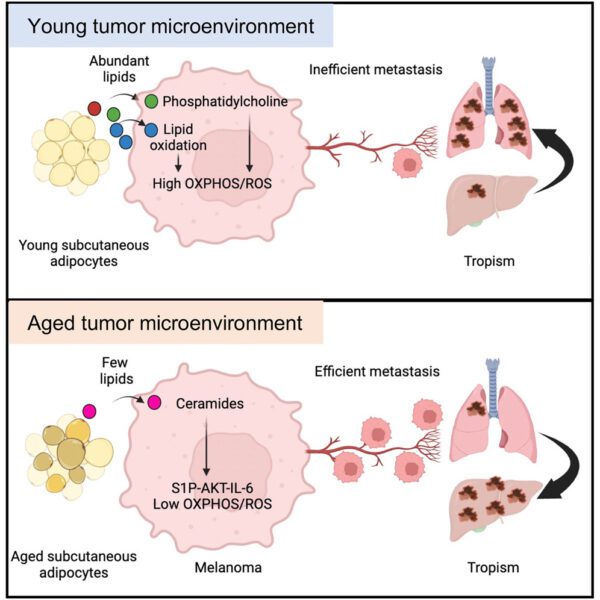
Tissue-specific fibroblast lipid cues impose the rate of epithelial cancer invasion
27 April 2026
Institute Authors (4)
Amaya Virós, Noah Palombo, Charlotte Russell, Claus Jørgensen
Research Group
Skin Cancer & Ageing
27 April 2026