Key Details
About the role
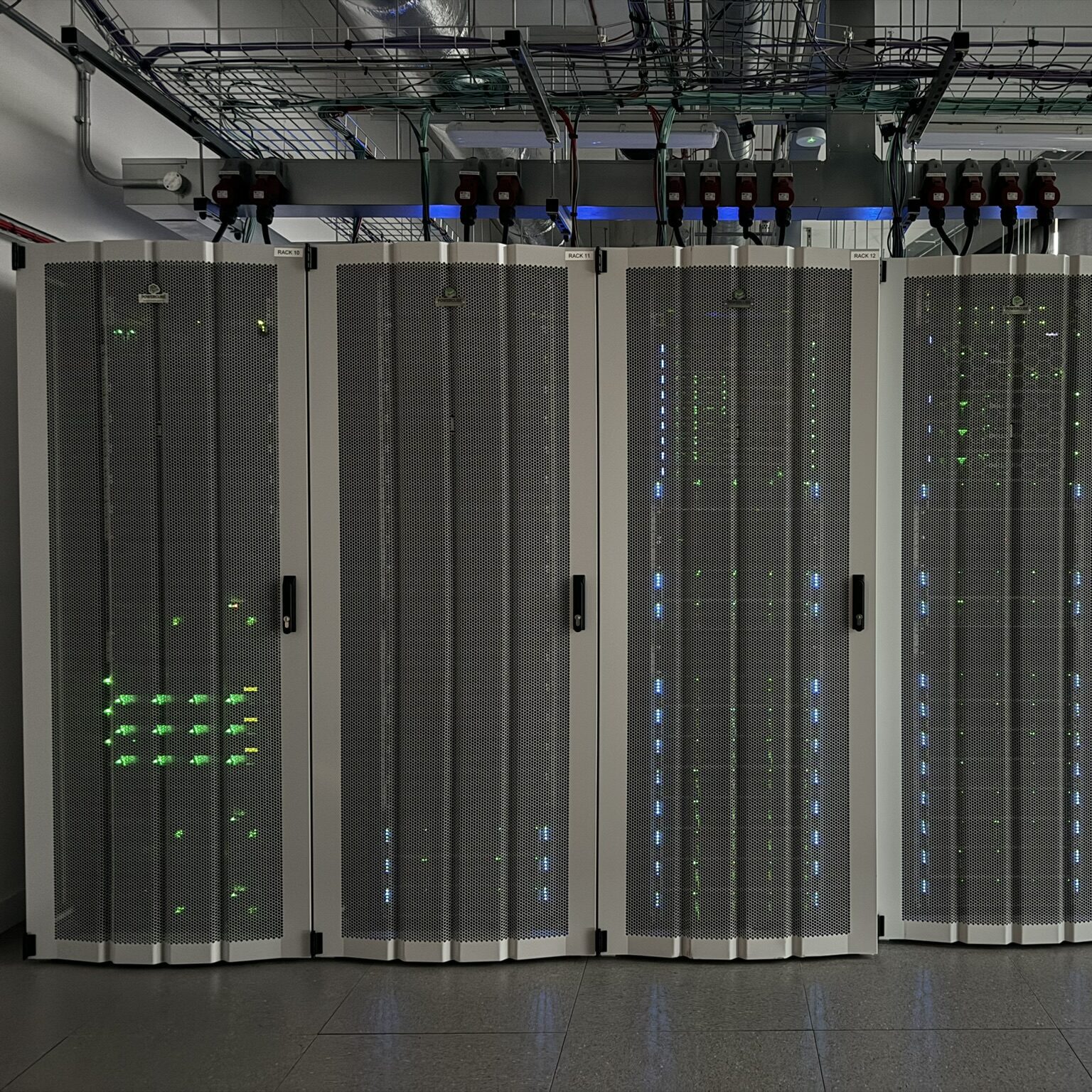
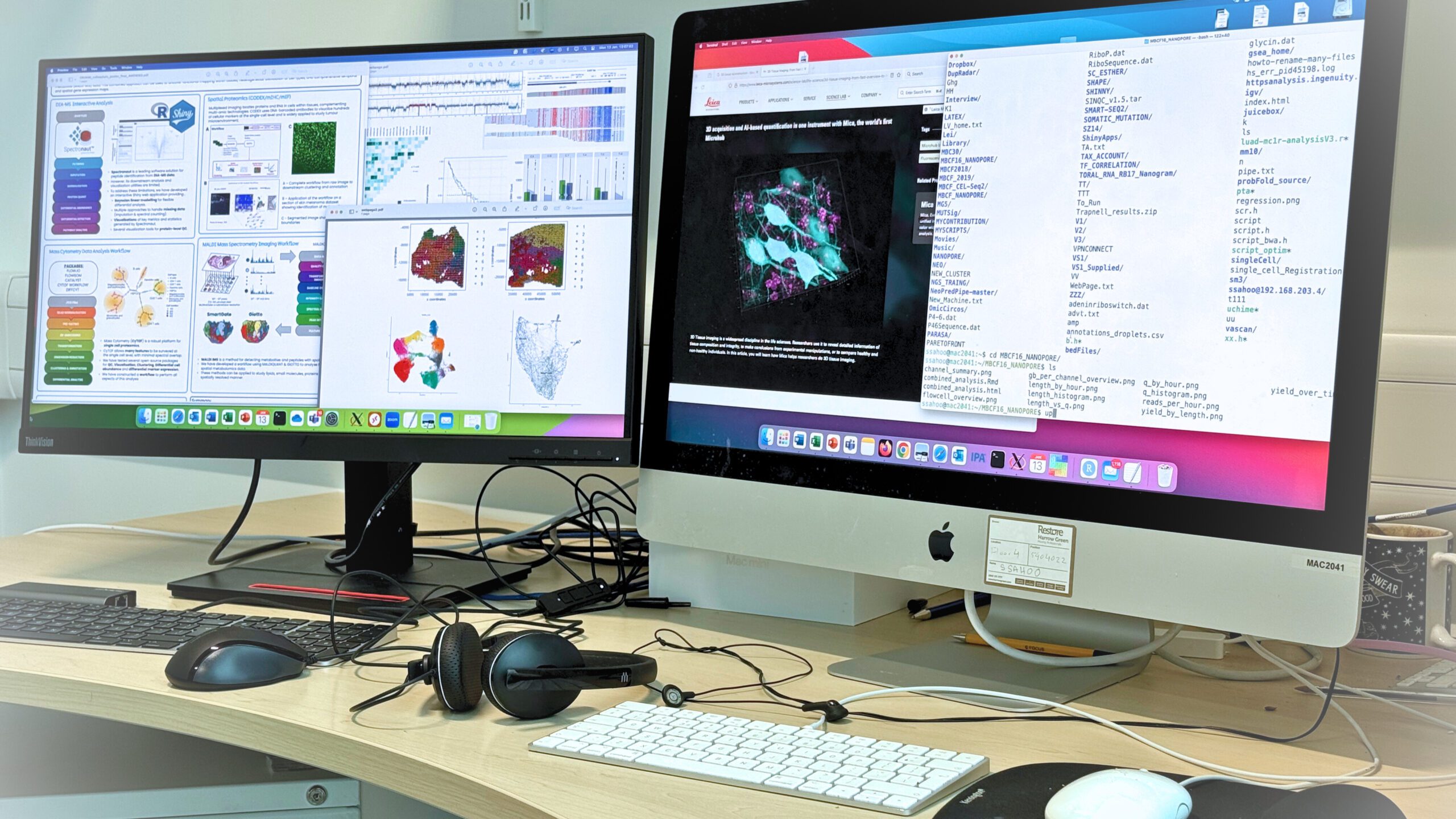
We are seeking a highly skilled and motivated Scientific Computing manager to join our dynamic IT and Scientific Computing Team at the CRUK Manchester Institute. The highly interdisciplinary team has a wide range of skills and provides platforms and services for reproducible computational research that covers the entire data analysis lifecycle. You will collaborate with the team to deliver high‑performance computing, data analysis, management, and storage services for the CRUK Manchester Institute and the CRUK National Biomarker Centre.
This role offers the opportunity to work with cutting‑edge scientific computing technologies, collaborate with highly skilled colleagues, and contribute to the development of new and improved services. It also provides valuable experience in service delivery, project management, and training.
In consultation with the Head of IT and Scientific Computing you will be responsible for the day-to-day line management of the Scientific Computing team.
The purpose of this role is to ensure the delivery of excellent Scientific Computing infrastructure and services to support the team’s mission to facilitate high throughput data analysis and ensure that best practices in Scientific Computing are accessible and applied across the organisation.
This role requires on-site presence five days a week due to the necessity of personal user interaction. However, the Institute offers a flexible working policy and environment.
About you
You should have a PhD in a relevant scientific discipline or HPC-based or other computational focussed subject PLUS significant relevant experience in a research role or leading computational research support role OR other postgraduate degree in a relevant scientific discipline or HPC-based or other computational focussed subject PLUS extensive relevant experience in a research role or leading computational research support role.
You will have excellent communication skills together with a proven ability to work both independently and effectively within a team. Meticulous documentation of changes and processes is essential. Experience in line management and technologies such as virtualisation, containerisation, and software development are beneficial. A strong technical understanding of the technologies used in the IT and Scientific Computing team is essential, along with the ability to collaborate effectively with colleagues and researchers. Excellent communication skills are required to bridge diverse expertise and support cohesive service delivery. A scientific background enables the post holder to interpret complex research needs and translate them into effective Scientific Computing services. Solid project management skills are also necessary to deliver high‑quality outcomes.
What you will get in return:
- Working with highly talented domain experts and exposure to a broad range of different technologies.
- Gaining experience in working with frontier technologies and methods.
- The opportunity to attend relevant training courses.
- Contributing to improving the treatment of cancer patients.
- Fantastic market leading Pension scheme.
- Excellent employee health and wellbeing services including an Employee Assistance Programme.
- Exceptional starting annual leave entitlement, plus bank holidays.
- Local and national discounts at a range of major retailers.
More information
How to apply
To apply for this position please complete the online application via ‘Apply Now’. Please ensure you detail the names of three referees and ensure you submit your application before the closing date specified.
For any informal enquiries about this post, please contact Marek Dynowski email: marek.dyowski@cruk.manchester.ac.uk
Closing date: 07 April 2026.
Please note this vacancy will close for applications at 18:00 hours on the closing date specified.
Contact us for further information

Benefits
Find out how contributions to the Institute are recognised with a generous benefits package

Wellbeing
Our mission is to promote and enhance wellbeing through the development of a proactive and enabling culture.

Equality, Diversity and Inclusion
Read about our commitment to creating an environment where diversity is celebrated and everyone is treated fairly

Personal Development
To enable you to excel in your role and continue to develop, we offer a variety of training and support opportunities

Our Research
Our research spans the whole spectrum of cancer research from cell biology through to translational and clinical studies

Research Groups
Our research groups study many fundamental questions of cancer biology and treatment

Our Facilities
The Institute has outstanding core facilities that offer cutting edge instruments and tailored services from expert staff

Latest News & Updates
Find out all our latest news
Why choose Cancer Research UK Manchester Institute?
The Cancer Research UK Manchester Institute, an Institute of The University of Manchester, is a world-leading centre for excellence in cancer research. The Institute is core funded by Cancer Research UK (www.cancerresearchuk.org),
the largest independent cancer research organisation in the world.
We are partnered with The Christie NHS Foundation Trust, one of the largest cancer treatment centres in Europe, which is located adjacent to the CRUK MI Manchester Institute in South Manchester. These factors combine to provide an exceptional environment in which to pursue basic, translational and clinical research programmes.

Careers that have a lasting impact on cancer research and patient care
We are always on the lookout for talented and motivated people to join us. Whether your background is in biological or chemical sciences, mathematics or finance, computer science or logistics, use the links below to see roles across the Institute in our core facilities, operations teams, research groups, and studentships within our exceptional graduate programme.