Applications Closed – PhD opportunity (#2) in Cancer Dynamics group
Update 7th April – Applications are now closed
Applications Closed – PhD opportunity (#2) in Cancer Dynamics group
Update 7th April – Applications are now closed
"Establishing the impact of cellular and tissue context on malignant transformation"
We are pleased to announce another exciting postgraduate opportunity within the Cancer Dynamics research group for intake in October 2026!
We welcome applications from enthusiastic and ambitious candidates with a strong academic track record to our PhD programme. Applicants should hold or expect to graduate with a First or minimum upper-second class undergraduate honours degree (or equivalent from a non-UK university) in a relevant subject and Masters-level and/or other laboratory research experience in cancer. Laboratory research experience as part of, or outside of, a university degree course or a Master-level degree in a relevant subject is advantageous but is not a conditional requirement in making an application.
Applications close on 6 April 2026 at 17:00 hrs BST
PhD Studentship
PhD Studentship
Key details
Project title: “Establishing the impact of cellular and tissue context on malignant transformation”
Supervisor: Samra Turajlić
Research Group: Cancer Dynamics
Deadline: 6 April 2026 at 1700 hrs BST

Research questions
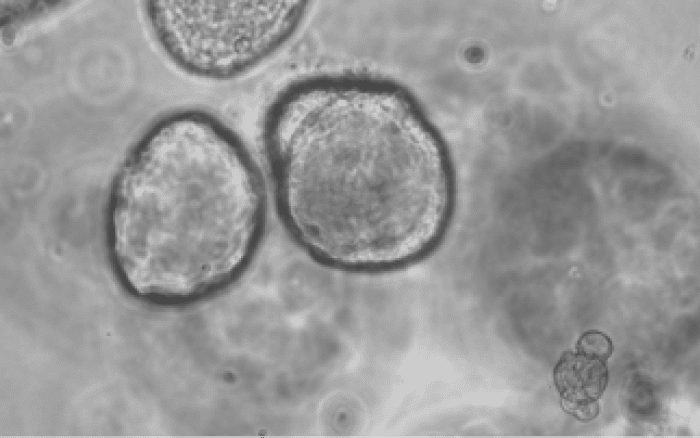
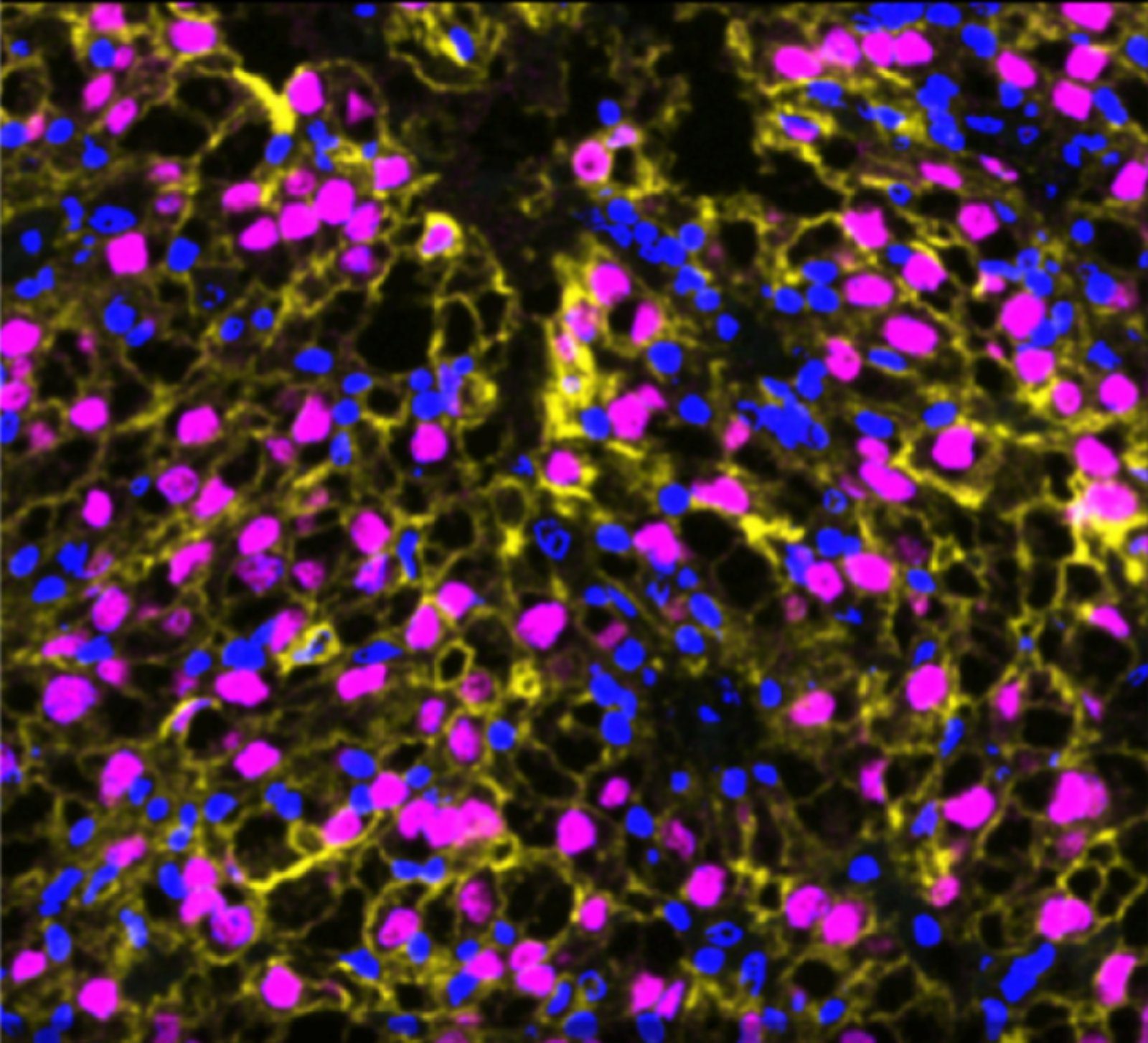
- Patient-derived induced pluripotent stem cells (iPSCs) fully retain the patient’s genotype and can differentiate into multiple tissue lineages. Using these iPSCs, we aim to model tumour initiation in vitro across relevant lineages for individual VHL patients.
- Through these models, we seek to elucidate the mechanisms by which specific classes of germline VHL variants determine the tissue specificity of tumour development.
- The project will involve emerging methods in iPSC differentiation and genome engineering. These methods could then be applied in other cancer predisposition settings.
Informal enquiries

Benefits
Find out how contributions to the Institute are recognised with a generous benefits package

Wellbeing
Our mission is to promote and enhance wellbeing through the development of a proactive and enabling culture.

Equality, Diversity and Inclusion
Read about our commitment to creating an environment where diversity is celebrated and everyone is treated fairly

Personal Development
To enable you to excel in your role and continue to develop, we offer a variety of training and support opportunities
Why choose Cancer Research UK Manchester Institute?
The Cancer Research UK Manchester Institute, an Institute of The University of Manchester, is a world-leading centre for excellence in cancer research. The Institute is core funded by Cancer Research UK (www.cancerresearchuk.org),
the largest independent cancer research organisation in the world.
We are partnered with The Christie NHS Foundation Trust, one of the largest cancer treatment centres in Europe, which is located adjacent to the CRUK MI Manchester Institute in South Manchester. These factors combine to provide an exceptional environment in which to pursue basic, translational and clinical research programmes.

Our vision for world leading cancer research in the heart of Manchester
We are a leading cancer research institute within The University of Manchester, spanning the whole spectrum of cancer research – from investigating the molecular and cellular basis of cancer, to translational research and the development of therapeutics.


Our collaborations
Bringing together internationally renowned scientists and clinicians


Scientific Advisory Board
Supported by an international Scientific Advisory Board