Evangelos Giampazolias wins the 2025 BACR/AstraZeneca Young Scientist Frank Rose Award Winner
Dr Evangelos Giampazolias, who leads our Cancer Immunosurveillance group, has been awarded this year’s British Association for Cancer Research BACR/AstraZeneca Young Scientist Frank Rose Award.
The BACR/AstraZeneca Young Scientist Frank Rose Award is given to recognise and reward the achievements of an individual whose work has made significant contributions to translational cancer research, bringing findings from the laboratory into the clinic, and has been awarded since 2005. Evangelos’ research has contributed to understanding the mechanisms underlying immune defence against cancer following host sensing of dying cells or signals derived from commensal microbes.
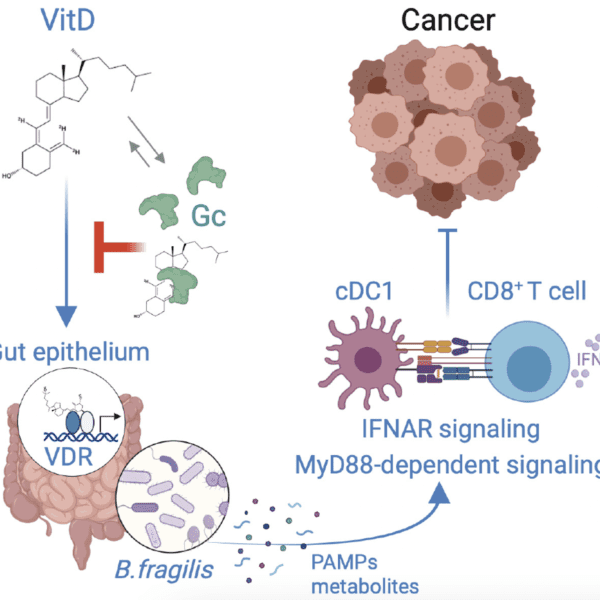
Dr Giampazolias, who joined the Institute in 2023, was recently awarded a Royal Society Research Grant (2023) and ERC Starting Grant (2024) to continue his work on the relationship between the microbiome and anti-cancer immunity. He recently published a major paper in the journal Science demonstrating a new mechanism of promoting anti-cancer immunity through changes in in the gut microbiome regulated by Vitamin D availability.

I’m deeply grateful to the BACR and AstraZeneca for this honour, and to the many people – mentors, collaborators, and lab members – who have shaped this journey. I am excited for the discoveries still to come.
Dr Evangelos Giampazolias
Cancer Immunosurveillance Group Leader
Reflecting on the award, Dr Giampazolias said:
“Receiving the BACR/AstraZeneca Young Scientist Frank Rose Award at this point in my career is both a privilege and a moment to reflect on my path so far – from studying the key building blocks of life (chemistry), to fundamental cellular processes (cell death) and their sensors (immune system), and finally, on to unexpected insights into the complex interplay between the host and its “friendly neighbours” (the microbiome): all of which underpin the immune system’s defence against cancer.”
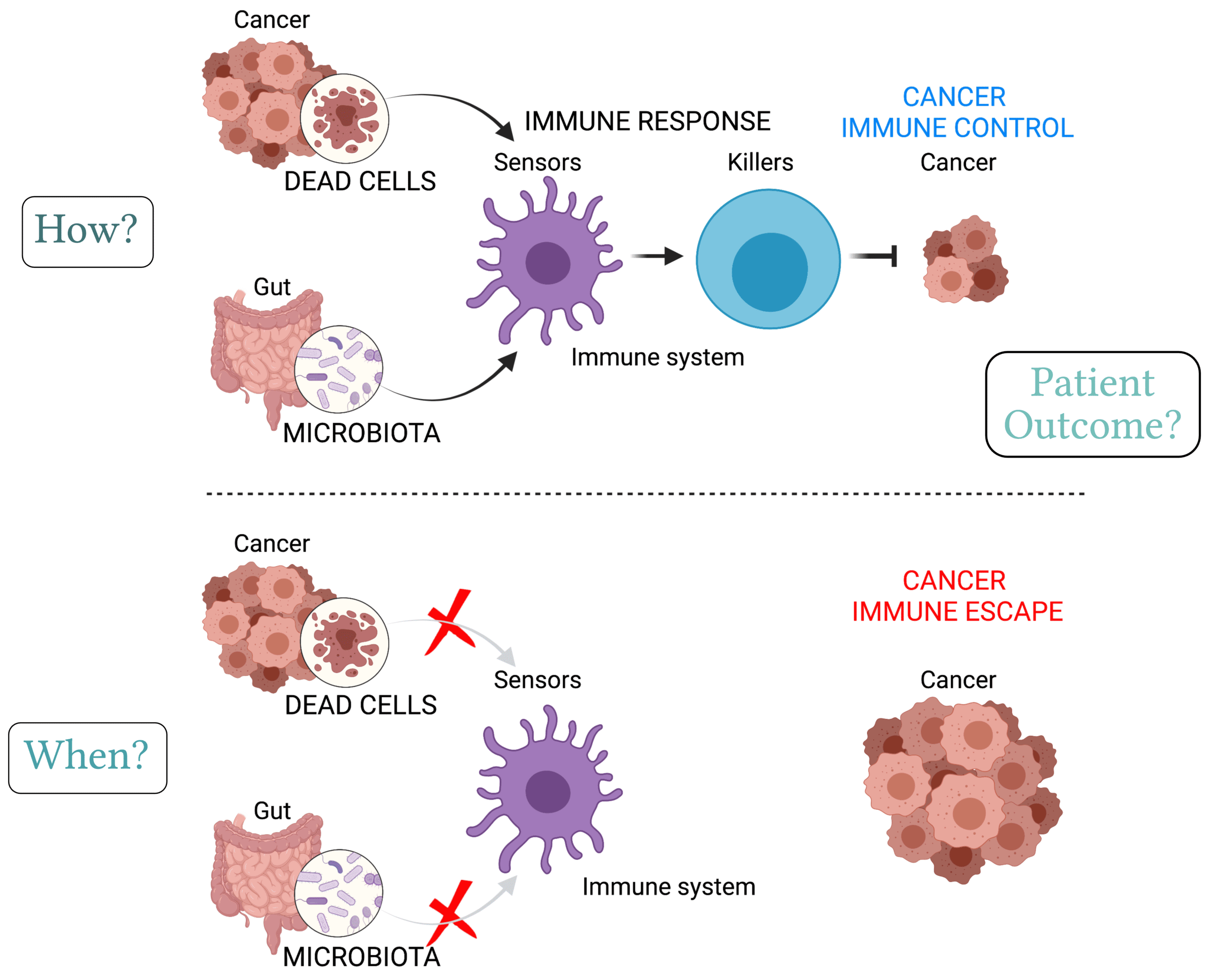
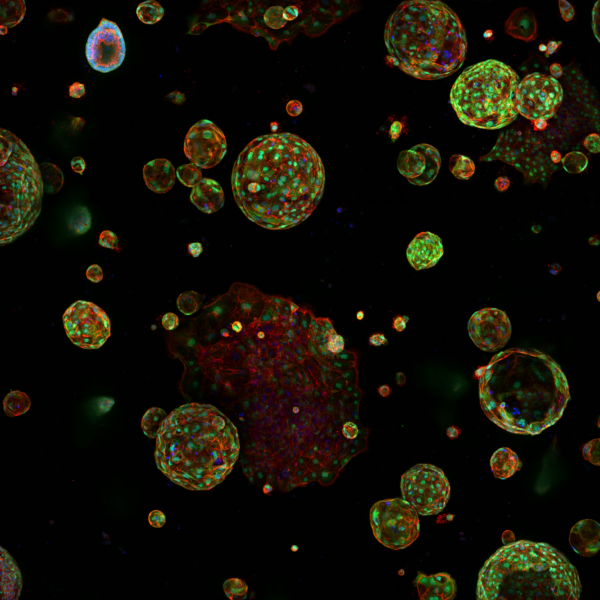
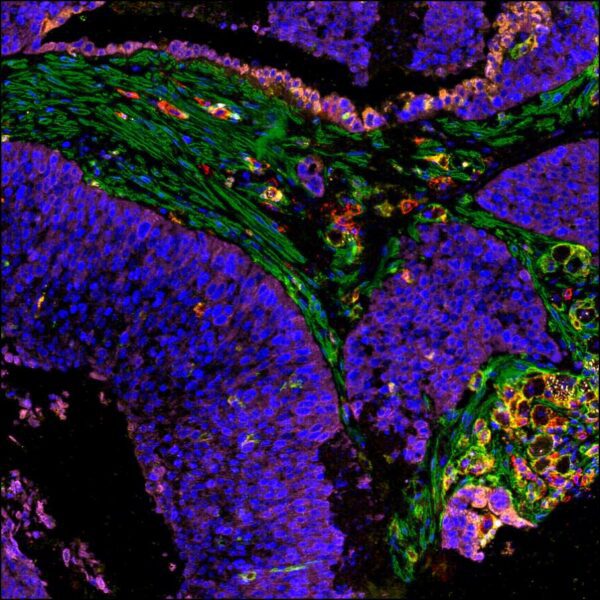
The graphic here represents the group’s research overview: Host detection of signals derived from dead cells and commensal microbes trigger cancer immunity.
In his award interview, he reflects back on where his interest in research came from, how his postgraduate and postdoc work shaped his research direction, and looks to the future in terms of the aims of his research group.
“It’s an exciting time, and I’m lucky to work with a talented team of scientists as we chart this emerging landscape of how trans-kingdom interactions between commensal species and host cells define immune responses to cancer.”
Follow the link below to read the whole interview.