Key Details
About the role
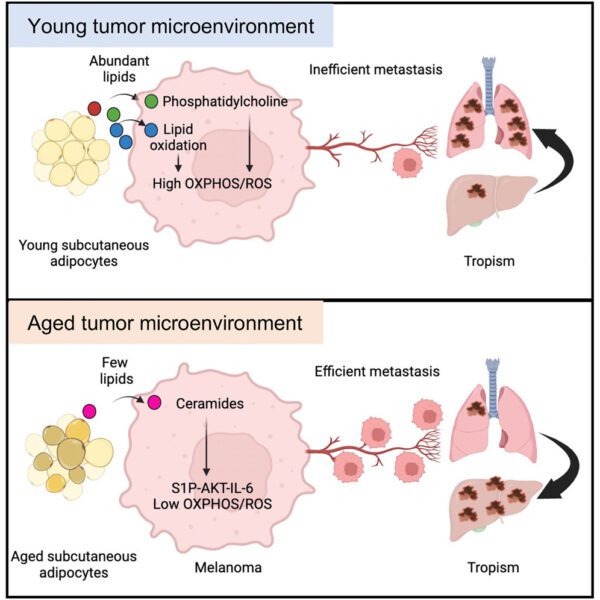
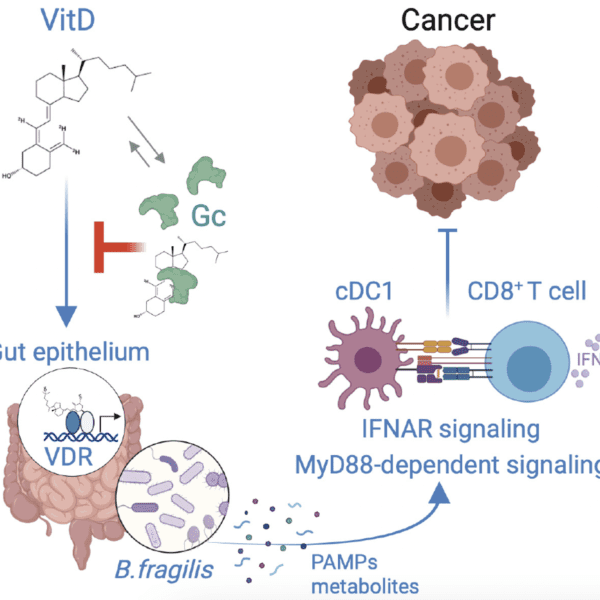
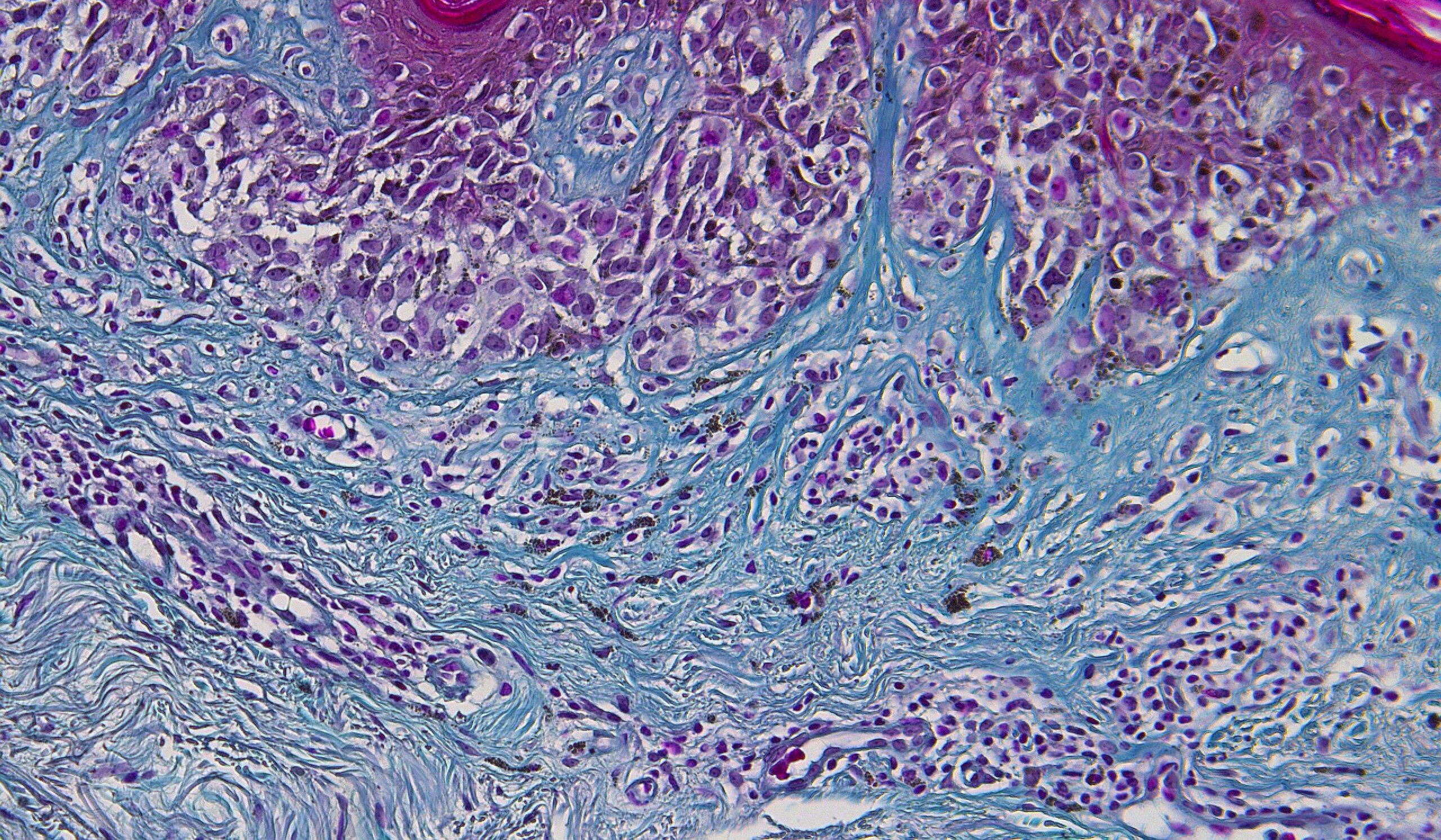
This is a 3-year postdoctoral scientist position in the joint laboratories of Skin Cancer and Ageing (CRUK Manchester Institute) and Non-invasivE Multi-omics (CRUK National Biomarker Centre) to study the onset, progression and therapy response of pediatric and young adult melanoma. The post holder will investigate how early-life environmental exposures, principally ultraviolet radiation and diet, shape melanoma risk and biology, and why exposure during childhood has different consequences from the same exposure in adulthood. The project will combine in vivo models of UV exposure and dietary intervention across childhood and adult exposure windows with epigenetic profiling of blood, including DNA methylation and cell-free DNA analysis.
Key project duties will include designing and conducting in vivo UV-exposure and dietary-intervention studies; collecting and processing tissue and blood samples; generating and analysing DNA methylation and cell-free DNA data; integrating experimental and molecular datasets; developing reproducible analysis workflows, including coding in R; working closely with partners across the ERC European consortium; presenting results at consortium and scientific meetings; and preparing high-quality manuscripts for publication.
About you
You should have a PhD in cell biology, immunology, epigenetics, skin biology, molecular biology or a closely related discipline. A background in cancer biology or genomics is desirable but not required.
More information
How to apply
To apply for this position please complete the online application via ‘Apply Now’. Please ensure you detail the names of three referees and ensure you submit your application before 07 January 2027 Thursday.
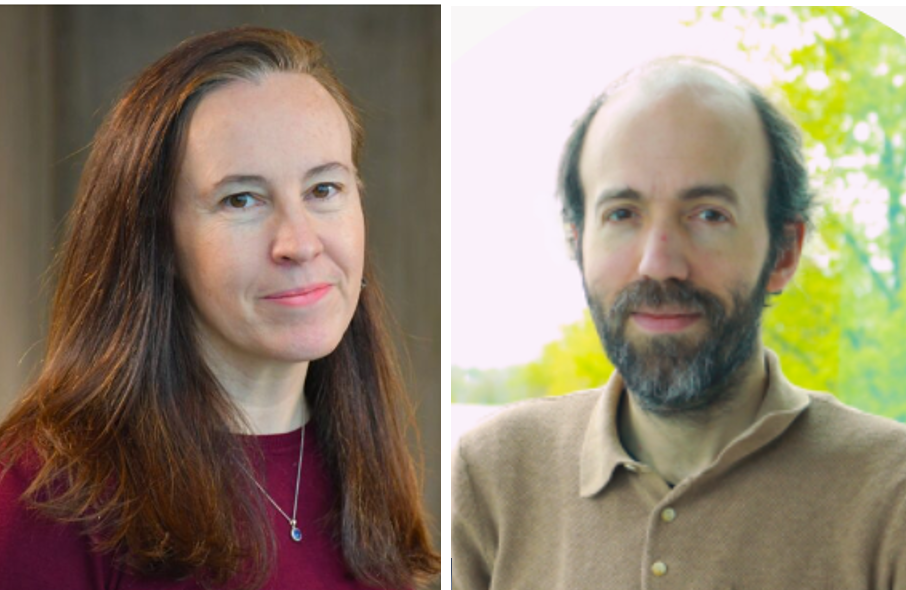
For any informal enquiries about this post, please contact Amaya Virós and Florent Mouliere, email: Amaya.viros@cruk.manchester.ac.uk and florent.mouliere@cruk.manchester.ac.uk
Please note this vacancy will close for applications at 18:00 on the closing date specified.
Contact us for further information

Benefits
Find out how contributions to the Institute are recognised with a generous benefits package

Wellbeing
Our mission is to promote and enhance wellbeing through the development of a proactive and enabling culture.

Equality, Diversity and Inclusion
Read about our commitment to creating an environment where diversity is celebrated and everyone is treated fairly

Personal Development
To enable you to excel in your role and continue to develop, we offer a variety of training and support opportunities

Our Research
Our research spans the whole spectrum of cancer research from cell biology through to translational and clinical studies

Research Groups
Our research groups study many fundamental questions of cancer biology and treatment

Our Facilities
The Institute has outstanding core facilities that offer cutting edge instruments and tailored services from expert staff

Latest News & Updates
Find out all our latest news
Why choose Cancer Research UK Manchester Institute?
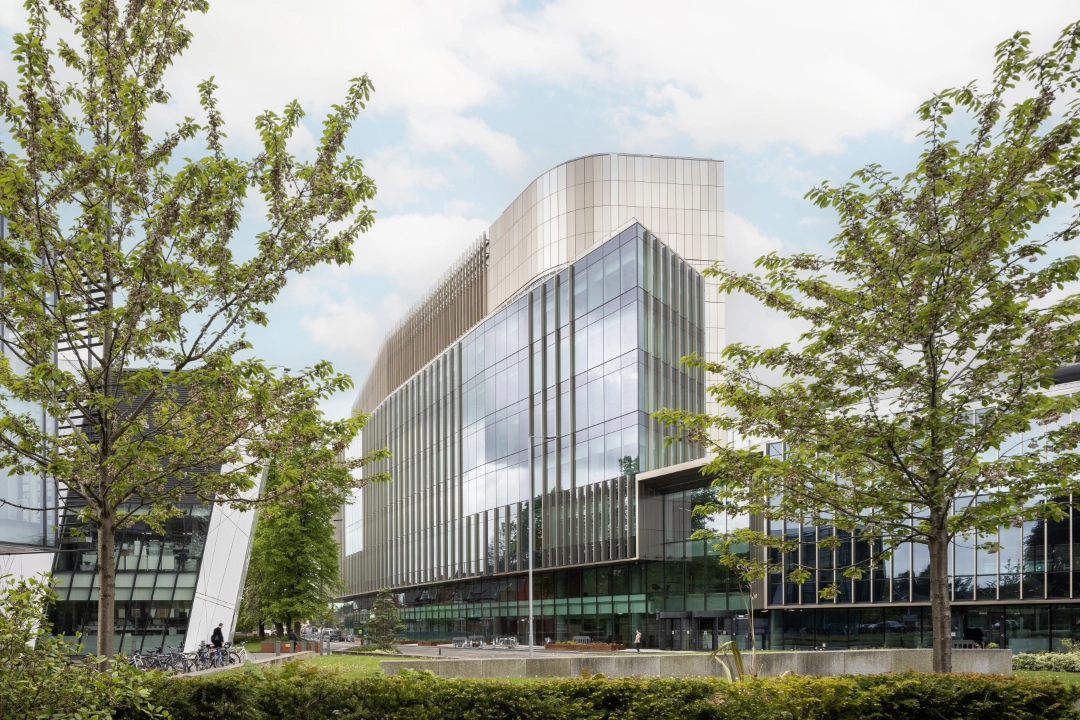
The Cancer Research UK Manchester Institute, an Institute of The University of Manchester, is a world-leading centre for excellence in cancer research. The Institute is core funded by Cancer Research UK (www.cancerresearchuk.org),
the largest independent cancer research organisation in the world.
We are partnered with The Christie NHS Foundation Trust, one of the largest cancer treatment centres in Europe, which is located adjacent to the CRUK MI Manchester Institute in South Manchester. These factors combine to provide an exceptional environment in which to pursue basic, translational and clinical research programmes.

Careers that have a lasting impact on cancer research and patient care
We are always on the lookout for talented and motivated people to join us. Whether your background is in biological or chemical sciences, mathematics or finance, computer science or logistics, use the links below to see roles across the Institute in our core facilities, operations teams, research groups, and studentships within our exceptional graduate programme.