Key Details
About the role
We are seeking a Postdoctoral Scientist to join the newly established Myeloid Cancer Biology group, led by Dr Justin Loke, to investigate how inherited and acquired genetic mutations cooperate to drive acute myeloid leukaemia (AML) and myelodysplastic syndrome (MDS).
A key focus of the post are inherited conditions caused by germline mutations that carries a substantial lifetime risk of AML/MDS. How specific combinations of somatic mutations cooperate with these inherited mutations to drive leukaemic transformation remains poorly understood, in large part because existing model systems cannot recreate the complex, multi-mutation genotypes seen in patients.
The post holder will use a novel transgenic mouse platform developed by the PI and colleagues, in which Cas12a-mediated genome editing enables simultaneous disruption of up to four genetic loci within single haematopoietic stem and progenitor cells. Using this platform, the post holder will generate and characterise genetically complex murine models of inherited predisposition related MDS/AML, combining in vivo transplantation experiments, flow cytometry and histopathology with single-cell multiome (RNA and ATAC) profiling to define the epigenetic programmes underlying malignant transformation, and to establish proof-of-concept for novel therapeutic vulnerabilities in this and related inherited myeloid malignancy syndromes.
This post is supported by a John Goldman Fellowship from Leukaemia UK.
The Environment:
The Myeloid Cancer Biology group was established in October 2025, and this post offers an early opportunity to help shape a new laboratory’s research programme and infrastructure. The post holder will work closely with the Group Leader and benefit from the wider myeloid malignancy and haematology community at the Institute, including collaboration with Professor Tim Somervaille (epigenetic mechanisms in myeloid neoplasia) and Professor Georges Lacaud (RUNX1 biology and haematopoiesis), as well as an established international collaboration on Cas12a genome-editing technology.
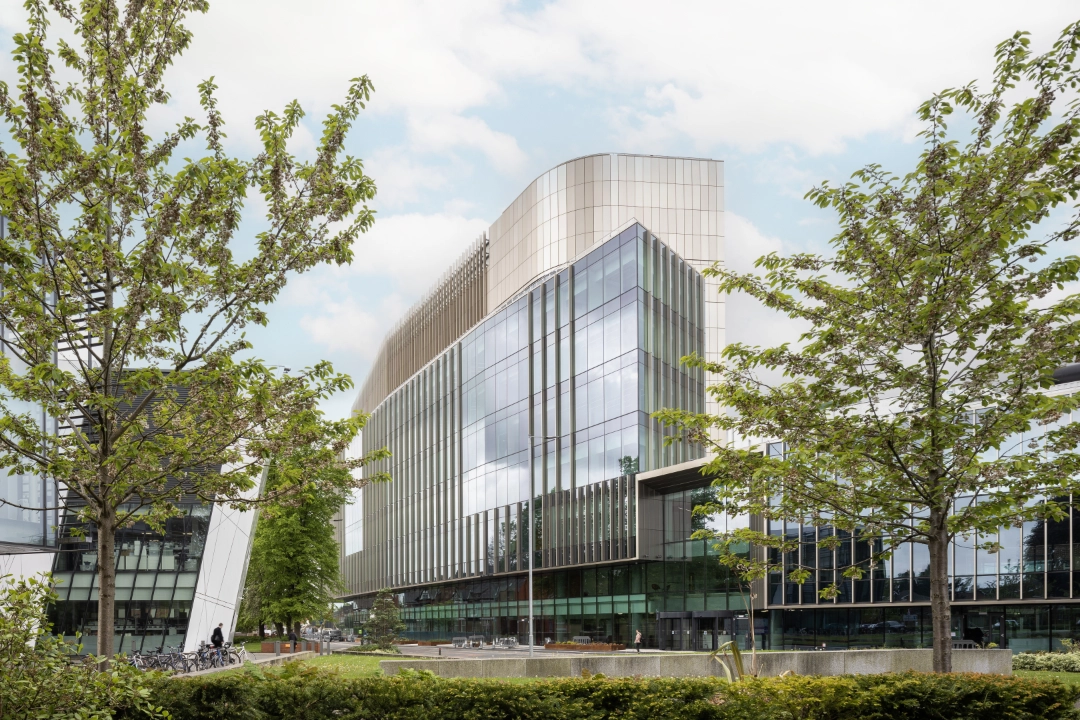
The Institute’s core facilities – including the Genome Editing and Mouse Models Facility, Flow Cytometry, Molecular Biology and Computational Biology Support – provide direct technical support for the in vivo and single-cell components of this project. The group is based in the Paterson Building, directly attached to The Christie NHS Foundation Trust, providing a translational research environment with strong links to clinical haematology.
About you
You should have, or be near completion of, a PhD in cancer biology, molecular biology, genetics, immunology, haematology or a related field. You will have demonstrable practical experience of mammalian cell culture and core molecular biology techniques, together with a track record of scientific publication or presentation, and the ability to define and solve research questions independently. Prior experience with murine/in vivo models, genome engineering or CRISPR-based approaches, and/or single-cell genomic technologies would be a strong advantage, as would a background in haematopoiesis or leukaemia biology – but candidates with strong complementary expertise and a genuine interest in developing these skills are also encouraged to apply.
More information
How to apply
To apply for this position please complete the online application via ‘Apply Now’. Please ensure you detail the names of three referees and ensure you submit your application before the closing date specified.
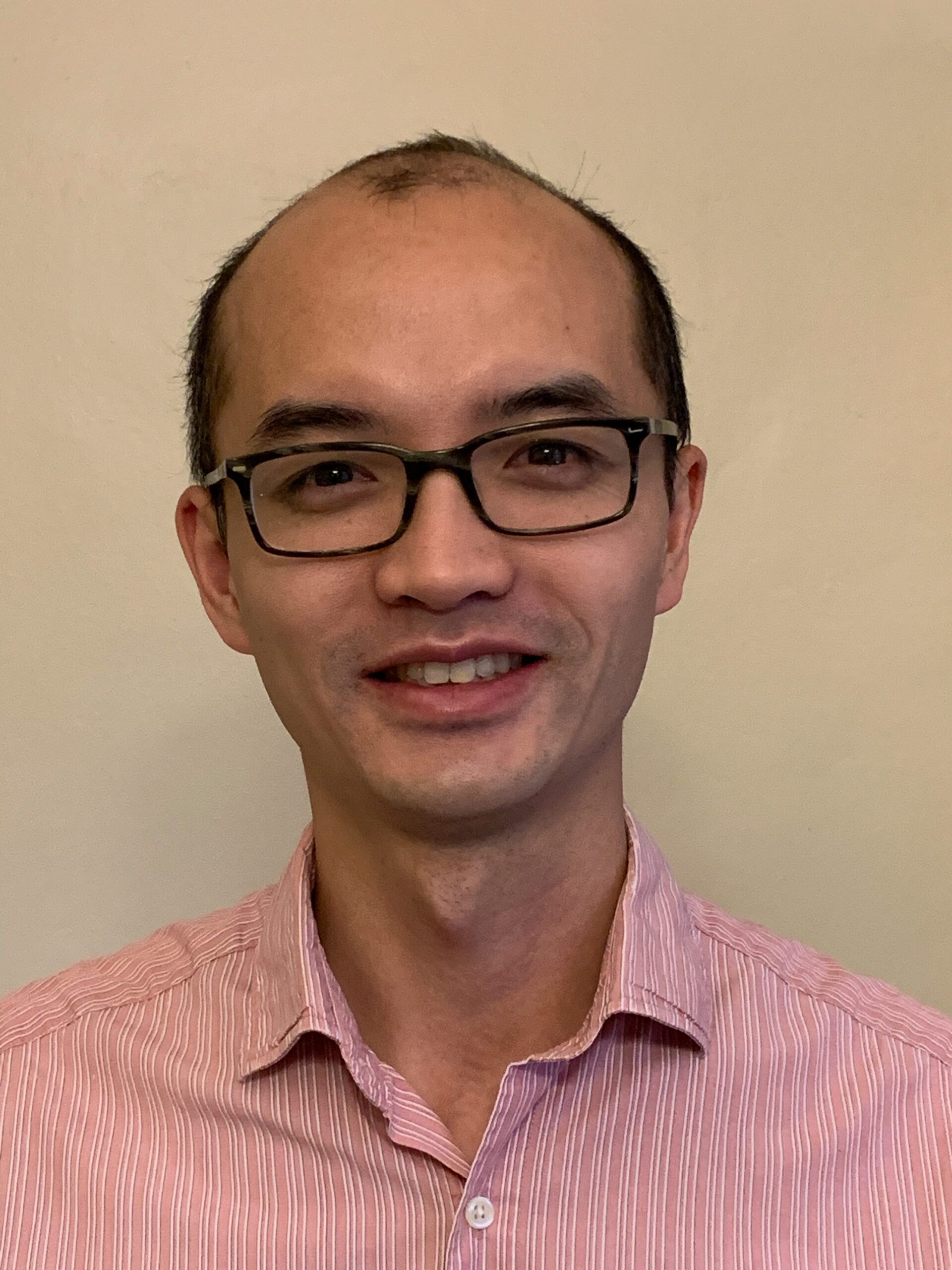
For any informal enquiries about this post, please contact Dr Justin Loke email: justin.loke@cruk.manchester.ac.uk
Closing date: 11 October 2026 Sunday
First-round interviews (via Microsoft Teams): 15 and 16 October 2026
Second-round interviews (in person): week commencing 26 October 2026
Please note this vacancy will close for applications at 18:00 hours on the closing date specified.
Contact us for further information

Benefits
Find out how contributions to the Institute are recognised with a generous benefits package

Wellbeing
Our mission is to promote and enhance wellbeing through the development of a proactive and enabling culture.

Equality, Diversity and Inclusion
Read about our commitment to creating an environment where diversity is celebrated and everyone is treated fairly

Personal Development
To enable you to excel in your role and continue to develop, we offer a variety of training and support opportunities

Our Research
Our research spans the whole spectrum of cancer research from cell biology through to translational and clinical studies

Research Groups
Our research groups study many fundamental questions of cancer biology and treatment

Our Facilities
The Institute has outstanding core facilities that offer cutting edge instruments and tailored services from expert staff

Latest News & Updates
Find out all our latest news
Why choose Cancer Research UK Manchester Institute?
The Cancer Research UK Manchester Institute, an Institute of The University of Manchester, is a world-leading centre for excellence in cancer research. The Institute is core funded by Cancer Research UK (www.cancerresearchuk.org),
the largest independent cancer research organisation in the world.
We are partnered with The Christie NHS Foundation Trust, one of the largest cancer treatment centres in Europe, which is located adjacent to the CRUK MI Manchester Institute in South Manchester. These factors combine to provide an exceptional environment in which to pursue basic, translational and clinical research programmes.

Careers that have a lasting impact on cancer research and patient care
We are always on the lookout for talented and motivated people to join us. Whether your background is in biological or chemical sciences, mathematics or finance, computer science or logistics, use the links below to see roles across the Institute in our core facilities, operations teams, research groups, and studentships within our exceptional graduate programme.