Article highlights & insights
The ability of chemical modifications of single nucleotides to alter the electrostatic charge, hydrophobic surface and base pairing of RNA molecules is exploited for the clinical use of stable artificial RNAs such as mRNA vaccines and synthetic small RNA molecules – to increase or decrease the expression of therapeutic proteins. Furthermore, naturally occurring biochemical modifications of nucleotides regulate RNA metabolism and function to modulate crucial cellular processes. Studies showing the mechanisms by which RNA modifications regulate basic cell functions in higher organisms have led to greater understanding of how aberrant RNA modification profiles can cause disease in humans. Together, these basic science discoveries have unravelled the molecular and cellular functions of RNA modifications, have provided new prospects for therapeutic manipulation and have led to a range of innovative clinical approaches.
The ability of chemical modifications of single nucleotides to alter the electrostatic charge, hydrophobic surface and base pairing of RNA molecules is exploited for the clinical use of stable artificial RNAs such as mRNA vaccines and synthetic small RNA molecules – to increase or decrease the expression of therapeutic proteins. Furthermore, naturally occurring biochemical modifications of nucleotides regulate RNA metabolism and function to modulate crucial cellular processes. Studies showing the mechanisms by which RNA modifications regulate basic cell functions in higher organisms have led to greater understanding of how aberrant RNA modification profiles can cause disease in humans. Together, these basic science discoveries have unravelled the molecular and cellular functions of RNA modifications, have provided new prospects for therapeutic manipulation and have led to a range of innovative clinical approaches.
Research topics & keywords
All publications
Annual Report 2025
2025 Annual Report
11 November 2026
11 November 2026
https://www.sciencedirect.com/science/article/pii/S2666634026003387?via%3Dihub
Bacteria inside kidney tumors associate with myeloid inflammation and disease progression: A TRACERx Renal study
23 October 2026
Institute Authors (1)
Samra Turajlić
Research Group
Cancer Dynamics
23 October 2026
https://royalsocietypublishing.org/rsob/article/16/8/260089/482862/CDK1-Cyclin-B-mediated-phosphorylation-of-PP2A-B56
CDK1-Cyclin B mediated phosphorylation of PP2A-B56 on B56Par1.T73T75 controls mitotic entry timing and Schizosaccharomyces pombe cell size
19 August 2026
Institute Authors (3)
Lenka Halova, Duncan Smith, Iain Hagan
Labs & Facilities
Biological Mass Spectrometry
Research Group
Cell Division
19 August 2026
https://www.cell.com/immunity/fulltext/S1074-7613(26)00278-5
CCR7+ activated dendritic cells are essential for spontaneous and immunotherapy-driven anti-tumor immunity
4 August 2026
Institute Authors (10)
Erin Richardson, Shih-Chieh Chiang, Massimo Russo, Charles Earnshaw, Anna Pidoux, Poppy Dunn, Sudhakar Sahoo, Antonia Banyard, Natalia Moncaut, Santiago Zelenay
Labs & Facilities
BRU Experimental Team, Computational Biology Support, Genome Editing and Mouse Models, Mass and Flow Cytometry, Transgenic Breeding Team
Research Group
Cancer Inflammation and Immunity
4 August 2026
https://www.cell.com/cell/fulltext/S0092-8674(26)00522-2
Plasma signals of lung tumor promotion for molecular cancer prevention
25 June 2026
Institute Authors (1)
William Hill
Research Group
Cancer Origins
25 June 2026
https://link.springer.com/article/10.1038/s44319-026-00809-1
PKMYT1 has an important role in the timing and fidelity of chromosome segregation
5 June 2026
Institute Authors (6)
Asma Belbelazi, Charlie Greenaway-Wells, Zoe Edwards, Wendy Trotter, Keren Dawson, Iain Hagan
Research Group
Cell Division
5 June 2026

Our Research
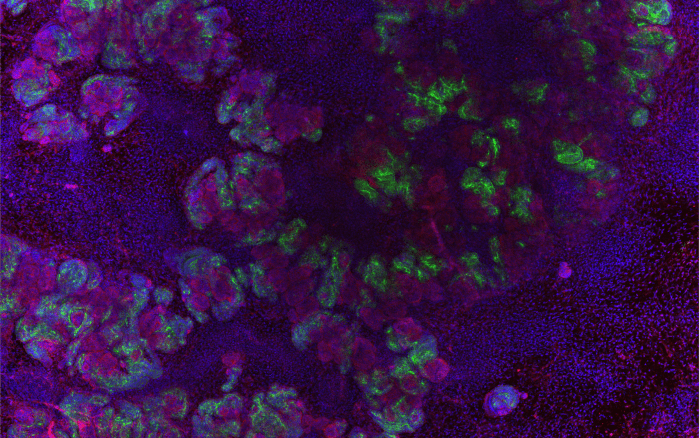
Our research spans the whole spectrum of cancer research from cell biology through to translational and clinical studies

Research Groups
Our research groups study many fundamental questions of cancer biology and treatment

Our Facilities
The Institute has outstanding core facilities that offer cutting edge instruments and tailored services from expert staff

Latest News & Updates
Find out all our latest news
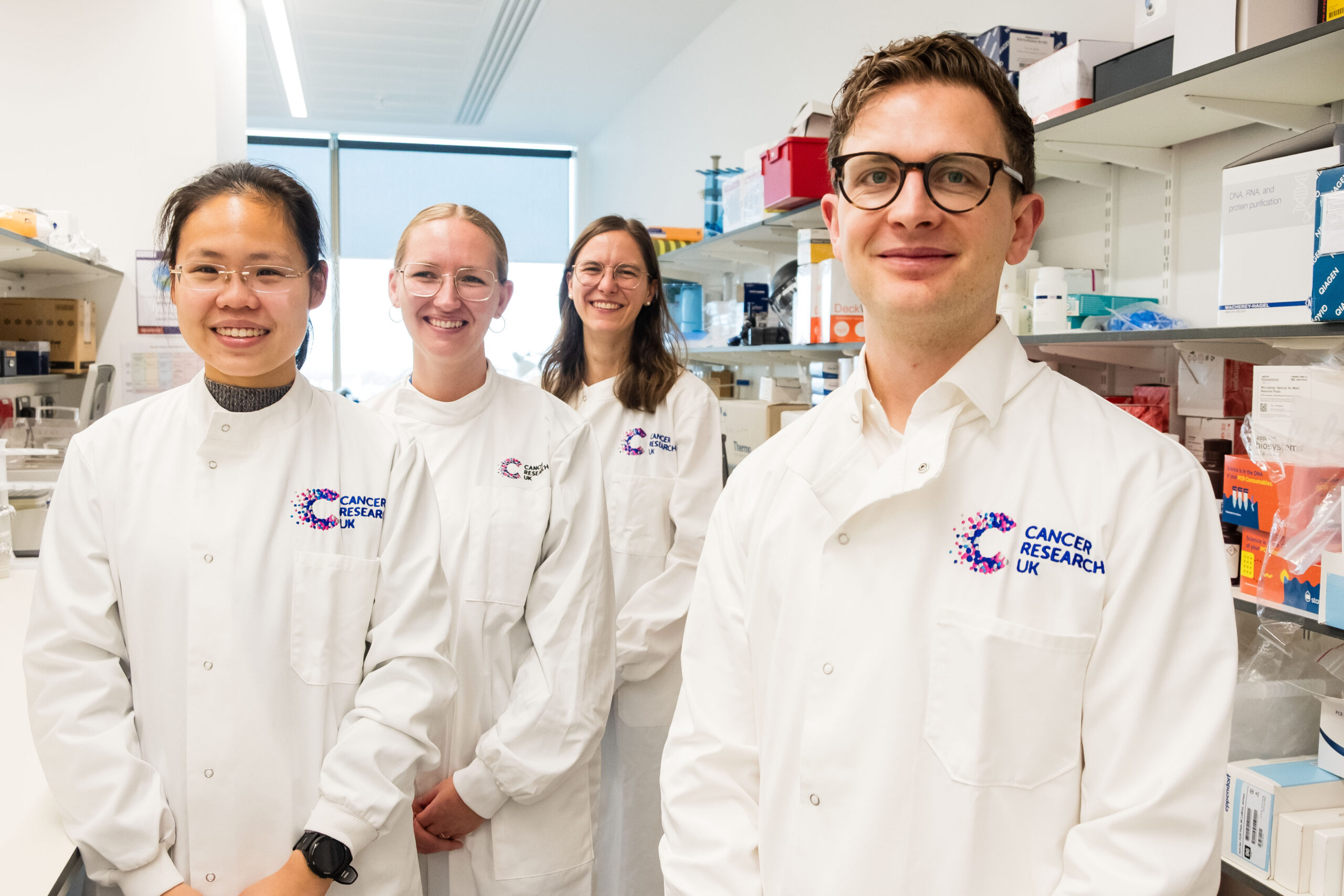
Careers that have a lasting impact on cancer research and patient care
We are always on the lookout for talented and motivated people to join us. Whether your background is in biological or chemical sciences, mathematics or finance, computer science or logistics, use the links below to see roles across the Institute in our core facilities, operations teams, research groups, and studentships within our exceptional graduate programme.



Institute life in Manchester
We strive to make our community a welcoming, caring and enthusiastic one, fuelling ambition with opportunities for training and mentoring to help us all achieve our personal and professional goals.
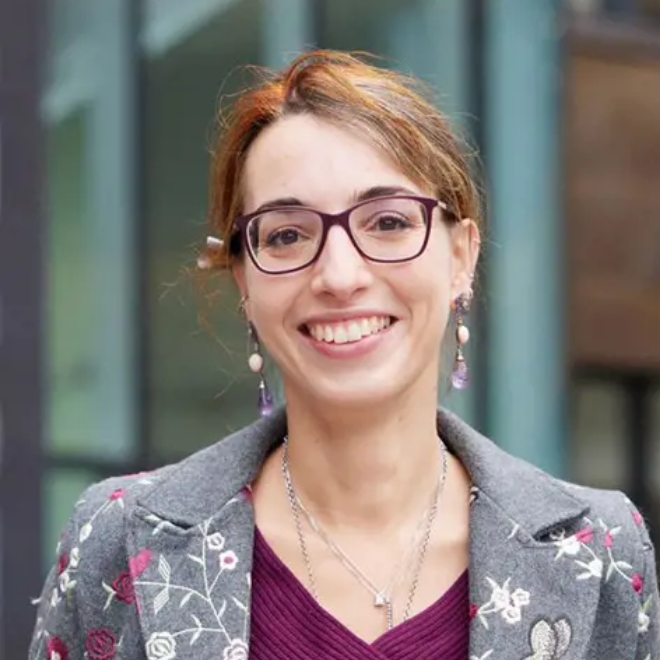
“We are so pleased to have received the funding to enable us to test our hypothesis in the lab. If we can create a new medicine that can precisely target a specific type of cell within the tumour, and restore anti-cancer immune responses, this will be a game-changer for oesophageal cancer patients “
Sara Valpione
Former Institute Clinical Fellow and now Clinician in Residence within the CRUK National Biomarker Centre
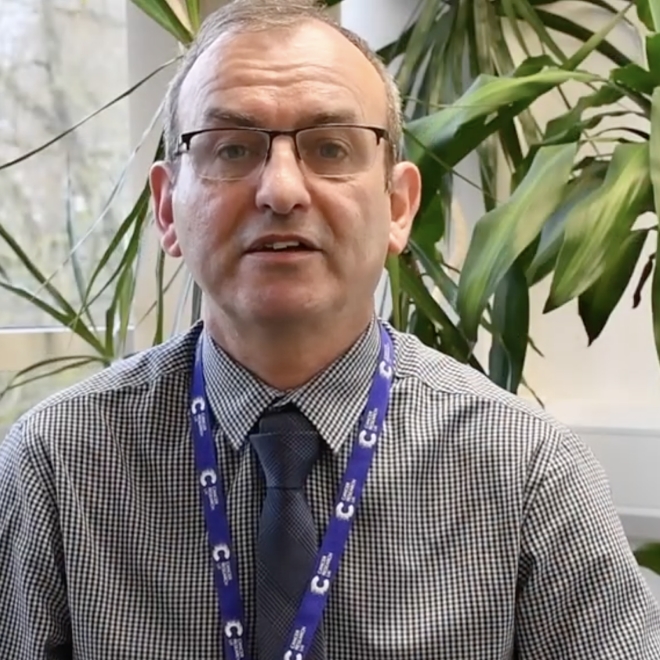
“My charity bake sales – known as “David’s Great British Bake Off” – are always a hit, home baked products taste so much better than shop bought and are greatly appreciated by staff!”
David Jenkins
Purchasing Officer
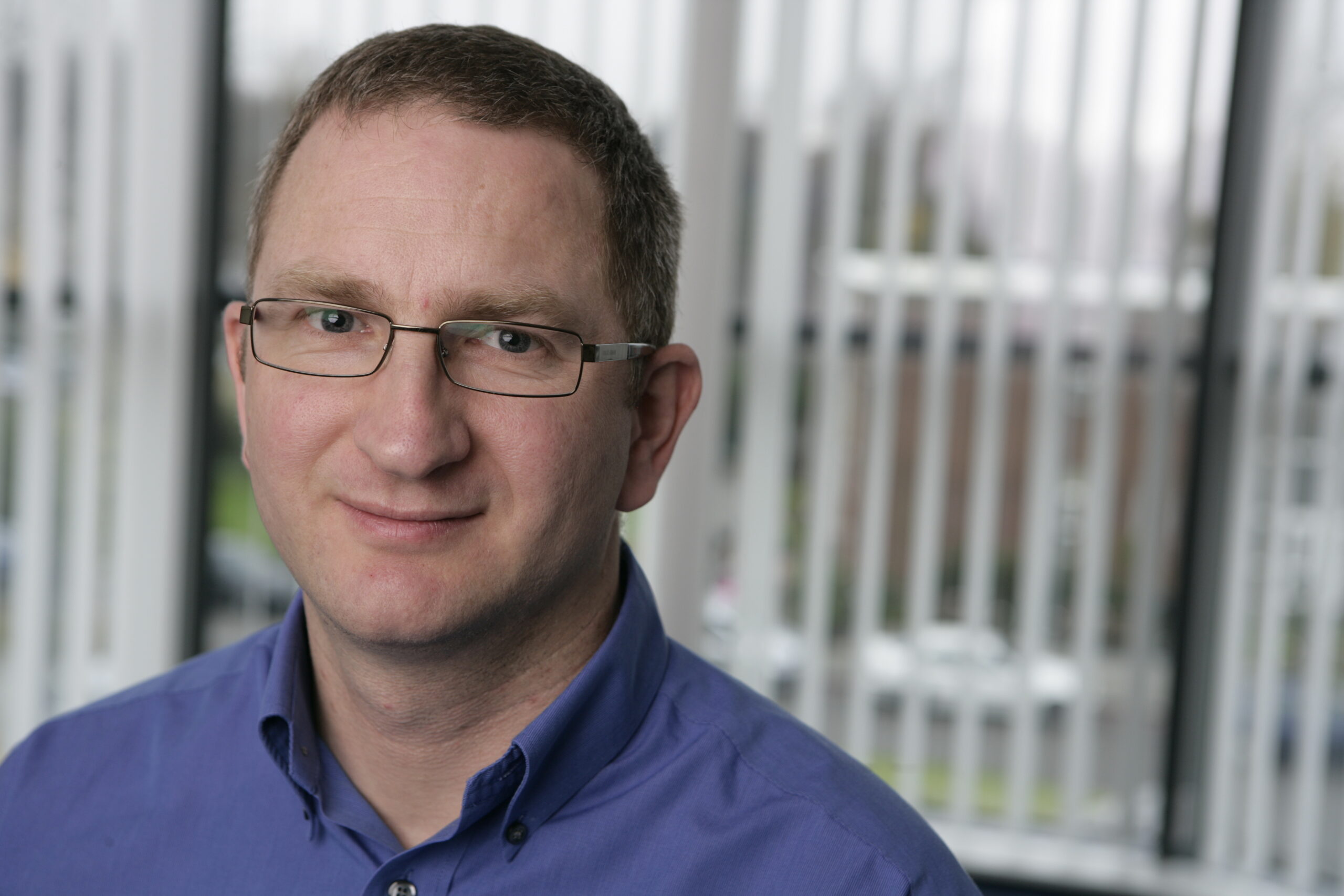
“We’ve seen some remarkable responses, with an improvement for some patients within days. This is an early phase trial so there’s a lot more work to do. But the data we have so far is very encouraging and could help many thousands of people in the future”
Tim Somervaille
Senior Group Leader
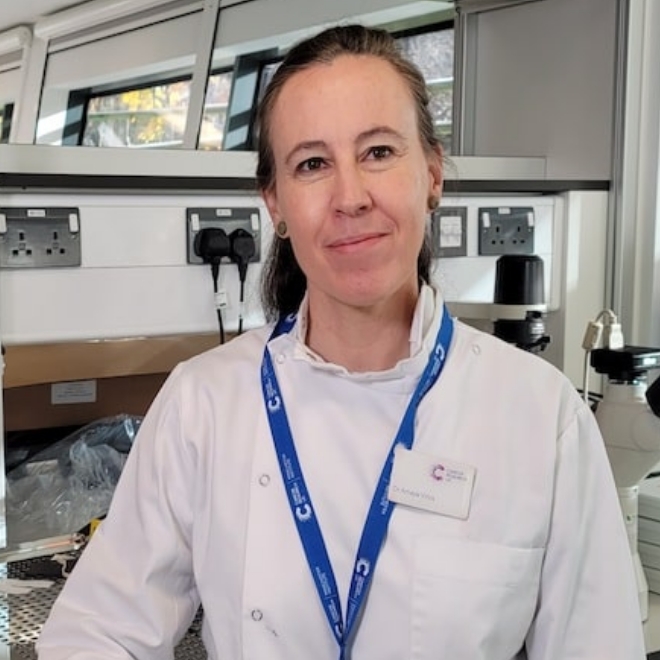
“It is a pleasure to introduce my team who work to deliver our research goals. We work in a friendly and collaborative environment, supporting each other’s projects. “
Amaya Virós
CRUK Advanced Clinician Scientist Fellow
“We are so pleased to have received the funding to enable us to test our hypothesis in the lab. If we can create a new medicine that can precisely target a specific type of cell within the tumour, and restore anti-cancer immune responses, this will be a game-changer for oesophageal cancer patients “
Sara Valpione
Former Institute Clinical Fellow and now Clinician in Residence within the CRUK National Biomarker Centre
“My charity bake sales – known as “David’s Great British Bake Off” – are always a hit, home baked products taste so much better than shop bought and are greatly appreciated by staff!”
David Jenkins
Purchasing Officer
“We’ve seen some remarkable responses, with an improvement for some patients within days. This is an early phase trial so there’s a lot more work to do. But the data we have so far is very encouraging and could help many thousands of people in the future”
Tim Somervaille
Senior Group Leader
“It is a pleasure to introduce my team who work to deliver our research goals. We work in a friendly and collaborative environment, supporting each other’s projects. “
Amaya Virós
CRUK Advanced Clinician Scientist Fellow